Wednesday, November 9, 2011

Car Of The Day: November 9, 2011


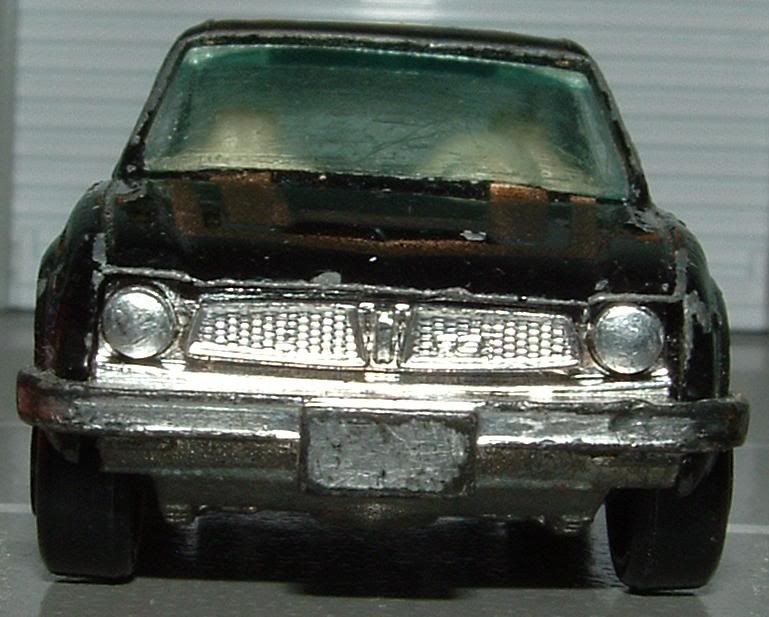
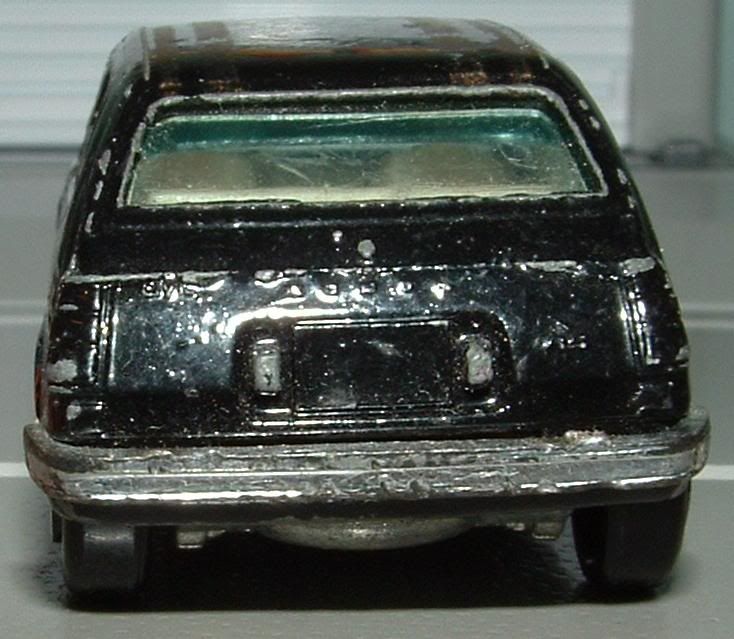
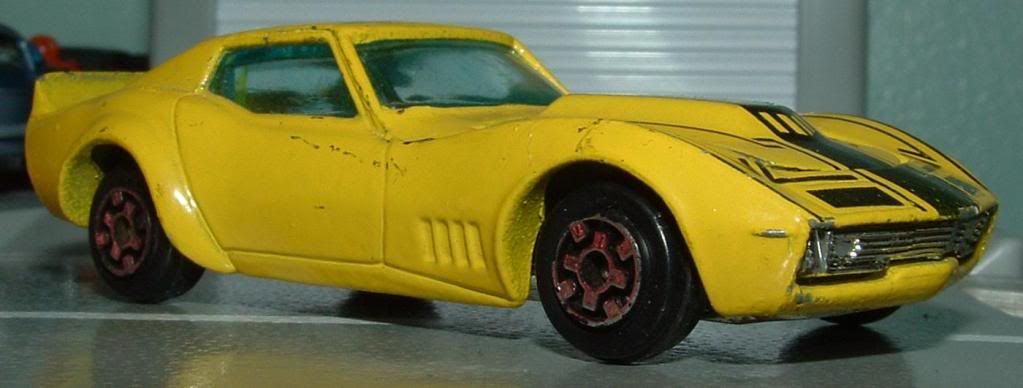
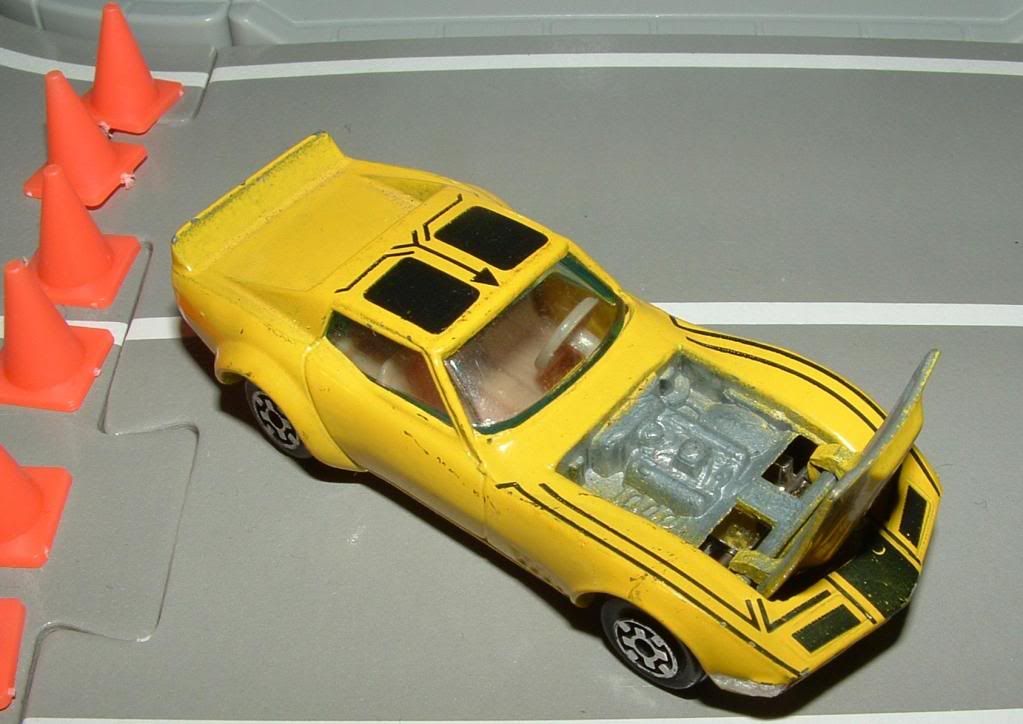
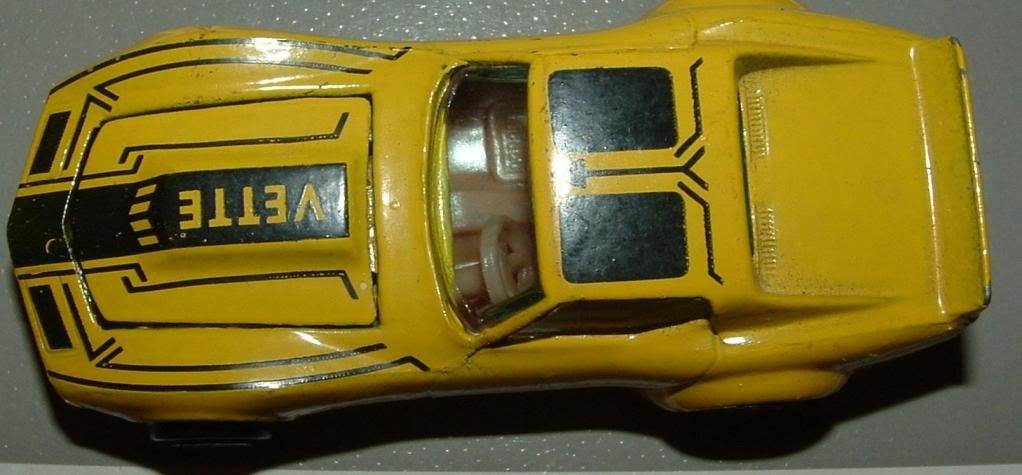
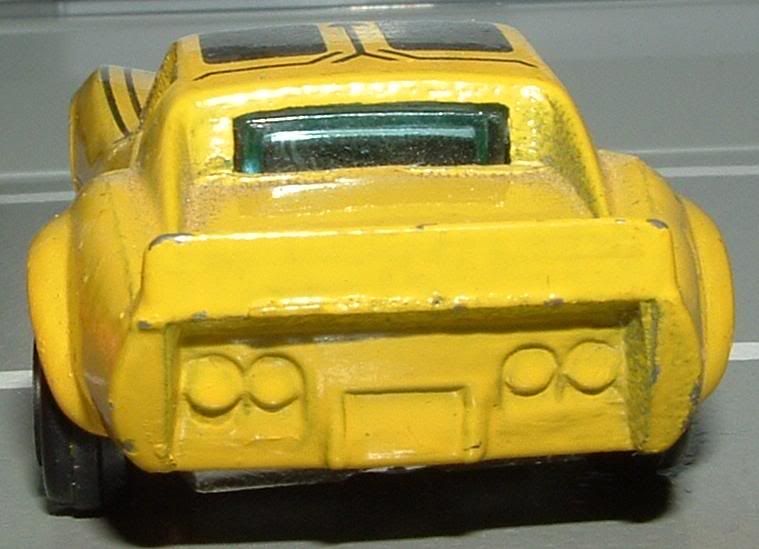
Today's car of the day is Kidco's 1972 Chevrolet Corvette.
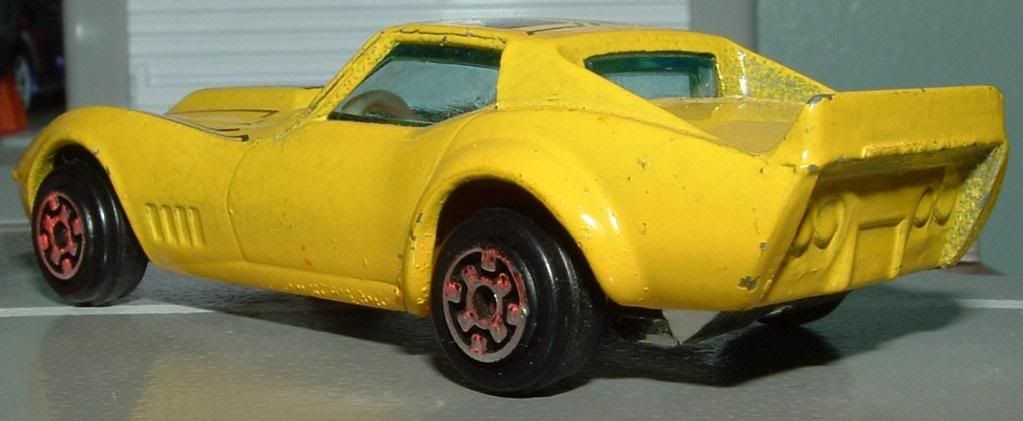


The Chevrolet Corvette (C3) is a sports car produced by the Chevrolet division of General Motors for the 1968 through 1982 model years. Corvette chief Zora Arkus-Duntov wanted a striking new Corvette; although engines and chassis components were mostly carried over from the previous generation, its body and interior were new. "Though initially flawed, the 1968 like the 1958, would improve and mature into a car precisely right for its time." The so-called Shark was produced during one of the most troubled periods in America: civil unrest, burgeoning federal guidelines, fuel economy and pollution regulations, oil embargoes, rising fuel and insurance costs, runaway inflation, and a lingering recession. Through it all the third generation Corvette continued to set new sales records with an all-time high of 53,807 produced for the 1979 model year.


For more information and pictures of the real car please visit: Chevrolet Corvette
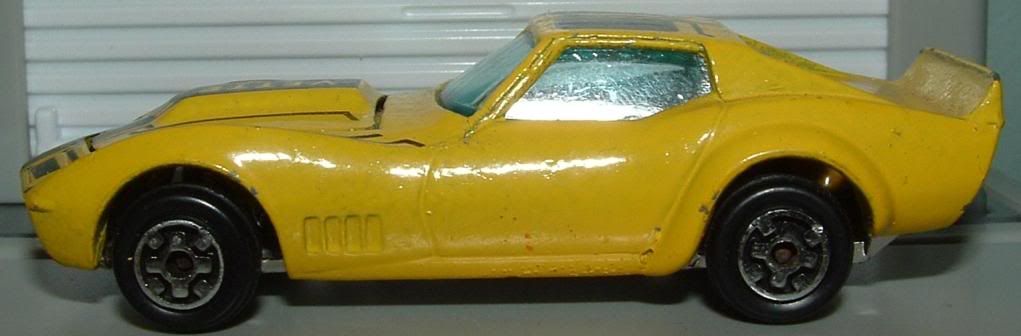


Customizing Corvettes was a trend in the 1970s, and examples like this were not uncommon on the show circuit.  Yat Ming's #1065 is also based on a modified C3 and the movie "Corvette Summer" pretty much sums up the whole trend.


For 1968, both the Corvette body and interior were completely redesigned. As before, the car was available in either coupe or convertible models, but coupes had new removable roof panels (T-tops) and a removable rear window. A soft folding top was included with convertibles, while an auxiliary hardtop with a glass rear window was offered at additional cost. Included with coupes were hold down straps and a pair of vinyl bags to store the roof panels, and above the luggage area was a rear window stowage tray. The enduring new body's concealed headlights moved into position via a vacuum operated system rather than electrically as on the previous generation, and the new hide-away windshield wipers utilized a problematic vacuum door. The door handles were flush with the top of the doors with a separate release button. "Sting Ray" nameplates were absent on the new 1968 body, but Chevrolet still advertised the car as a Sting Ray. Front fenders had functional engine cooling vents. Side vent windows were eliminated from all models, replaced with "Astro Ventilation", a fresh air circulation system. In the cabin, a large round speedometer and matching tachometer were positioned in front of the driver. Auxiliary gauges were clustered above the forward end of the console and included oil pressure, water temperature, ammeter, fuel gauge, and an analog clock. A fiber-optic system appeared on the console that monitored exterior lights and there was no glove box. The battery was relocated from the engine area to one of three compartments behind the seats to improve weight distribution. New options included a rear window defroster, anti-theft alarm system, bright metal wheel covers, and an AM-FM Stereo radio. All cars ordered with a radio, like the C2 cars, continued to be fitted with chrome-plated ignition shielding covering the distributor to reduce interference.
The chassis was carried over from the second generation models, retaining the fully independent suspension (with minor revisions) and the four-wheel disc brake system. The engine line-up and horsepower ratings were also carried over from the previous year as were the 3 and 4-speed manual transmissions. The new optional Turbo Hydramatic 3-speed automatic transmission (RPO M40) replaced the two-speed Powerglide. The L30, a 327 cu in (5.4 L) small-block V8 engine rated at 300 hp (224 kW) and a 3-speed manual transmission were standard, but only a few hundred 3-speed manual equipped cars were sold. The 4-speed manual was available in M20 wide-ratio or M21 close-ratio transmission versions. The M22 “Rock Crusher”, a heavy duty, close-ratio 4-speed gearbox, was also available for certain applications. The engine line-up included the L79, a 350 hp (261 kW) high performance version of the 327 cu in (5.4 L) small-block. Also available were several variants of the 427 cu in (7.0 L) big-block V8, that taken together made up nearly half the cars. There was the L36, a 390 hp (291 kW) version with a Rochester 4-barrel carburetor; The L68, a 400 hp (298 kW) motor with a Holley triple 2-barrel carb set up (3 X 2 tri-power); The L71, generating 435 hp (324 kW) with a tri-power; The L89 option was the L71 engine but with much lighter aluminum cylinder heads rather than the standard cast iron. Then there was the L88 engine that Chevrolet designed strictly for off-road use (racing), with a published rating of 430 hp (321 kW), but featured a high-capacity 4-barrel carb, aluminum heads, a unique air induction system, and an ultra-high compression ratio (12.5:1). All small block cars had low-profile hoods. All big block cars had domed hoods for additional engine clearance with twin simulated vents and “427” emblems on either side of the dome. The new seven-inch wide steel wheels had F70x15 nylon bias-ply tires standard with either white or red stripe tires optional. Rare options were: L88 engine (80), J56 heavy-duty brakes (81), UA6 alarm system (388), L89 aluminum heads (624).

In 1969, small block engine displacement increased from 327 cu in (5.4 L) to 350 cu in (5.7 L), though output remained the same. All other engines and transmission choices remained unchanged from the previous year, though the L30 base engine was now the ZQ3 and the L79 motor was redesignated the L46. All cars featured 8-inch-wide (200 mm) steel wheels (increased from 7 inches). Tire size remained the same, although this was the first year for optional white lettered tires and the last for red striped tires. Carried over from the previous year were seven available rear axle ratios ranging from 2.73 to 4.56. Standard ratio remained 3.08 with automatic and 3.36 with manual transmission. The optional Positraction rear axle, mandated on many engine/gearbox combinations, was installed on more than 95% of the cars. "Stingray" script nameplates appeared on front fenders, now one word, in contrast to the “Sting Ray” name used previously. Exterior door handles were redesigned so the finger plate would actuate the door, eliminating the separate release button. Backup lights were integrated into the inboard tail lights, headlight washers were added, and front grilles were made all black. Side mounted exhausts and front fender vent trim were options for this year only. On the inside, revised door panels provided additional shoulder room in the C3's tighter cabin and headrests became standard. Steering wheel diameter was reduced from 16 to 15 inches to permit easier entry and exit, the ignition switch was moved from the dash to the steering column, and map pockets were added to the dash area in front of the passenger seat. Accounting for 57% of the cars, coupes with their removable roof panels, began a trend of outselling roadsters. An extended production cycle due to a labor dispute increased '69 volume. This was the last year for the L88 engine and the only year for the ZL1 option, which offered an all aluminum 427 cu in (7.0 L) big-block engine listed at 430 hp (321 kW). Rare options: ZL1 aluminum block (2), J56 heavy-duty brakes (115), L88 engine (116), L89 aluminum heads (390).

Car and Driver magazine wrote in October 1968, “The small-engine Corvettes are marginally faster and extraordinarily civilized. The large-engine Corvettes are extraordinarily fast and marginally civilized.”
In 1970, fender flares were designed into the body contours to reduce wheel-thrown debris damage. New were egg-crate grills with matching front fender side vents and larger squared front directional lamps. The previously round dual exhaust outlets were made larger and rectangular in shape. Interiors were tweaked with redesigned seats and a new deluxe interior option combined wood-grain wood accents and higher-spec carpeting with leather seat surfaces. Positraction rear axle, tinted glass, and a wide-ratio 4-speed manual transmission were now standard. The 350 cu in (5.7 L) base engine (ZQ3) remained at 300 hp (224 kW) and the L46 was again offered as a 350 hp (261 kW) high performance upgrade. New was the LT-1, a 350 cu in (5.7 L) small-block V8 engine delivering a factory rated 370 hp (276 kW). It was a solid lifter motor featuring a forged steel crankshaft, 4-bolt main block, 11:1 compression ratio, impact extruded pistons, high-lift camshaft, low-restriction exhaust, aluminum intake manifold, 4-barrel carburetor, and finned aluminum rocker covers. The new engine, making up less than 8% of production, could not be ordered with air conditioning but was fitted with a domed hood adorned with “LT-1” decals.

Motor Trend in May 1970, clocked an LT-1 covering the quarter mile in 14.36 seconds at 101.69 mph and remarked, “There is Corvette and there is Porsche. One is the best engineering effort of America, the other of Germany. The difference in machines is not as great as the disparity in price.”

A special ZR1 package added racing suspension, brakes, stabilizer bars, and other high performance components to LT-1 cars. Big-block selection was down to one engine but displacement increased. The LS5 was a 454 cu in (7.4 L) motor generating 390 hp (291 kW) and accounted for a quarter of the cars. A second big-block, the 460 hp (343 kW) 454 cu in (7.4 L) LS7, was planned and appeared in Chevrolet literature but is not believed to have ever been delivered to retail customers. A short model year resulted in a disproportionately low production volume of 17,316, down nearly 60%. Rare options: ZR1 special engine package (25), shoulder belts in convertibles (475), LT-1 engine (1,287).


1971 cars were virtually identical in appearance to the previous model inside and out. This was the final year for the fiber optics light monitoring system, the headlight washer system, and the M22 heavy duty 4-speed manual gearbox. For the first time, air conditioning was installed on most of the cars, with nearly 53 percent so ordered. Engines were detuned with reduced compression ratios to tolerate lower octane fuel. The small blocks available were the 350 cu in (5.7 L) base engine, which dropped to 270 hp (201 kW), and the high performance LT-1, now listed at 330 hp (246 kW). The LS5 454 cu in (7.4 L) motor was carried over and produced 365 hp (272 kW). Offered in ‘71 only was the LS6 454 cu in (7.4 L) big-block featuring aluminum heads and delivering 425 hp (317 kW), highest of the 1970-72 series, and could be ordered with an automatic transmission. The ZR1 option was carried over for LT-1 equipped cars and the ZR2 option, offered this year only, provided a similar performance equipment package for LS6 cars, and restricted transmission to a 4-speed manual. Rare options: ZR1 special engine package (8), ZR2 special engine package (12), LS6 425-hp engine (188), shoulder belts in convertibles (677).

1972 was the last year for chrome bumpers at both front and rear, the vacuum actuated pop-up windshield wiper door, as well as the removable rear window common to all 1968-72 coupes. The key activated anti-theft alarm system became standard. The increasingly popular choice of an automatic transmission was installed in most corvettes for the first time, with nearly 54 percent so equipped. This year SAE net measurement for horsepower was now utilized (away from the previous SAE gross standard), and was largely responsible for the much lower engine output figures such as the 200 hp (149 kW) rating on the standard 350 cu in (5.7 L) motor. This was the final year for the LT-1 engine, rated at 255 hp (190 kW), and the ZR1 racing package built around it. Although the M22 HD 4-speed was no longer a Regular Production Option, it continued to be fitted to cars outfitted with the ZR1 package. The LT-1 could now be ordered with air conditioning, a combination not permitted the two previous years. The LS5 454 cu in (7.4 L) big block was again available and came in at 270 hp (201 kW). Noteworthy is in ’72 the LS5 was not available to California buyers. This was the beginning of a trend where Chevrolet restricted certain power train choices to Golden State buyers due to that state's practice of applying more stringent emission (smog) standards than mandated by federal regulations. Convertibles were a vanishing breed by ‘72, and the Stingray was no exception. It sold only 6,508 copies, amounting to 9% of the market, placing it number three; it was beaten by the number one-selling Cutlass Supreme, with 11,571, but beat the Impala's 6,456 and the Mustang's 6,401. Rare options: ZR1 special engine package (20), shoulder belts with convertibles (749), LT1 engine option (1,741).

1973 started Corvette's transformation from muscle to touring sports car. A Chevrolet advertisement headlined: "We gave it radials, a quieter ride, guard beams and a nose job." Indeed, redesigned body mounts and radial tires did improve Corvette's ride, and interior sound levels were reduced by 40%. The chrome rear bumper was essentially carried over from the previous year. However, the chrome blade front bumper was dropped for the federally required 5 mph (8.0 km/h) standard for a light-weight front bumper system with an inner transverse tube attached to the frame with two Omark-bolts-(special steel fasteners which absorbed energy when a forming die, pushed back by the bumper, was forced down their length), and an injection-molded urethane bumper cover. The urethane nose was chosen over Chevy's other alternative, a more protruding version of the previous metal bumper. The new urethane bumper assembly added thirty-five pounds to the front end. Two 350 cu in (5.7 L) small block engines were available. The base L-48 engine produced 190 hp (142 kW). The L-82 was introduced as the optional high performance small-block engine (replacing the LT-1 engine) and delivered 250 hp (186 kW). The new hydraulic lifter motor featured a forged steel crankshaft, running in a four-bolt main block, with special rods, impact extruded pistons, a higher lift camshaft, mated to special heads with larger valves running at a higher 9:1 compression, and included finned aluminum valve covers to help dissipate heat. The L-82 was designed to come on strong at higher RPM and ordered with nearly 20% of the cars at a cost of $299.

Car and Driver on the L-82 in December 1972, “…when it comes to making a choice, the L82 is the engine we prefer. Duntov and the other Corvette engineers gravitate toward the big blocks because they like the torque. And granted, the 454s will squirt through traffic with just a feather touch on the gas pedal. But, to us at least, the small block engine contributes to a fine sense of balance in the Corvette that is rare in any GT car, so rare that it would be a shame to exchange it for a few lb.-ft. of torque.”

The 454 cu in (7.4 L) LS-4 big-block V8 engine was offered delivering 275 hp (205 kW) and 15% of the cars were ordered so equipped. “454” emblems adorned the hood of big-block equipped Corvettes. All models featured a new cowl induction domed hood, which pulled air in through a rear hood intake into the engine compartment under full throttle, increasing power (but didn't show up in the horsepower ratings). 0-60 times were reduced by a second while keeping the engine compartment cooler. The new tire size was GR70-15 with white stripes or raised white letters optional. An aluminum wheel option was seen on 1973 and 1974 pilot cars, and a few 1973s were so equipped, but withheld for quality issues, and wouldn't be available until 1976.

Road & Track magazine stated in a 1973 road test: "For all its age, size and compromises, if the Corvette is equipped with the right options it is a pleasant and rewarding car to drive and this 1973 example was one the best Corvettes we've ever driven."
Tuesday, November 8, 2011

Race Car Of The Day: November 8, 2011


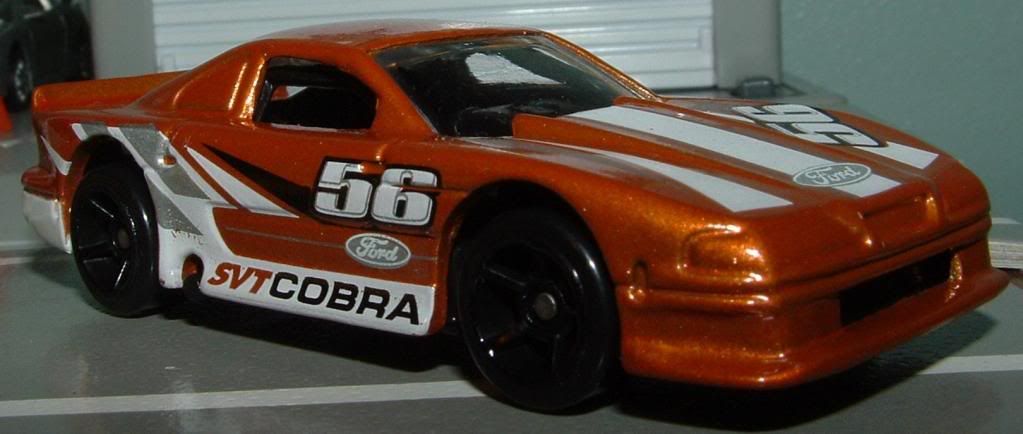
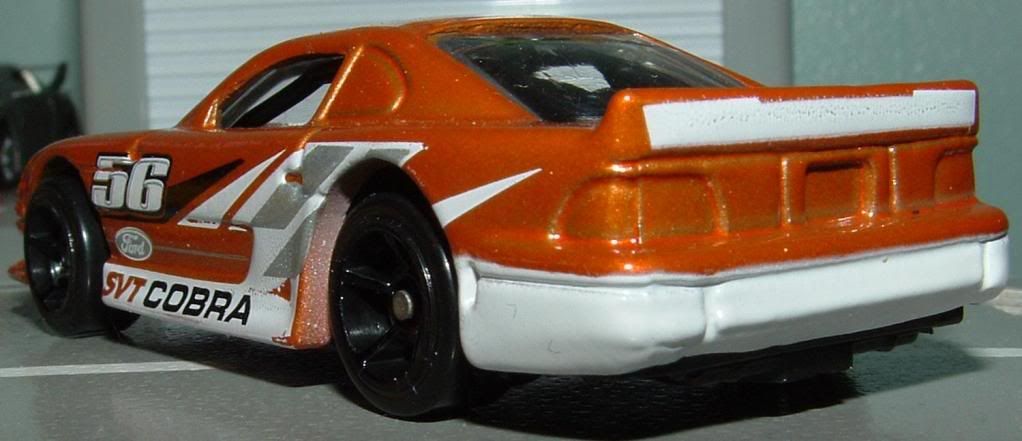
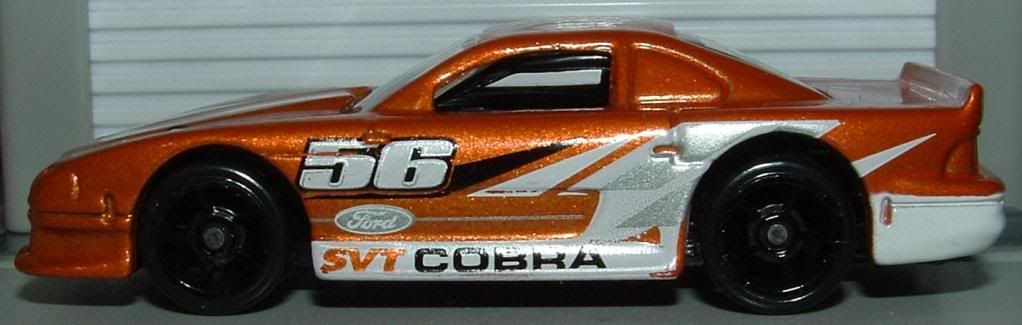
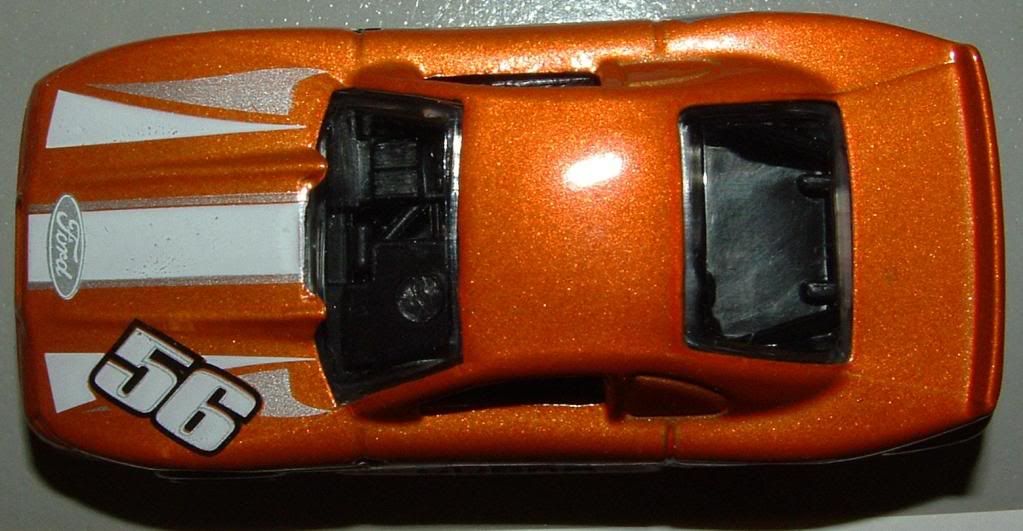
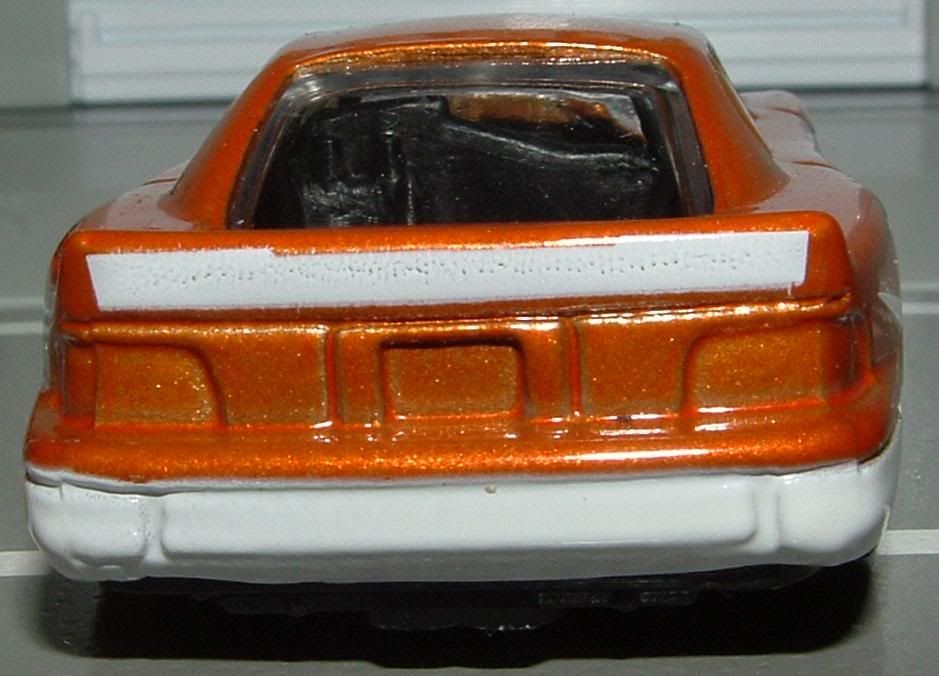
Today's car of the day is Hot Wheels' 1996 Ford Mustang SCCA Trans Am race car.


For 1994, the Mustang underwent its first major redesign in fifteen years. The design, code named "SN-95" by Ford, was based on an updated version of the Fox platform. It featured dramatic new styling by Patrick Schiavone that incorporated some stylistic elements similar to those of earlier Mustangs. A convertible model would also return, but the notchback and hatchback body styles used in earlier Mustangs were not available. Prior to the redesigned Mustang's launch, a 2-seater concept car called the Mustang Mach III was shown at the 1993 North American International Auto Show in Detroit and hinted at what future Mustangs might look like. The production Mustang resembled the Mach III concept's sweeping body curves. The Mach III concept also featured a supercharged 4.6 L DOHC V8 with 450 hp (336 kW; 456 PS). While this engine was not put into production, it hinted to the future use of Ford's Modular V8 in the Mustang, including the eventual use of a supercharged 4.6 L V8.


For more information and pictures of the real car please visit: Ford Mustang


While the casting is based on the actual Mustangs raced in the mid-1990s, this is not an authentic paint scheme.  This was exclusive to AutoZone's Mustang series.


The base Mustang featured a 3.8 L OHV V6 mated to a standard 5-speed manual transmission or an optional AODE 4-speed automatic transmission. The V6 produced 145 hp (108 kW; 147 PS) at 4000 rpm and 215 lb·ft (292 N·m) of torque at 2500 rpm. For 1996, the base V6 gained five horsepower with a new powertrain control module (PCM), the EEC-V. The AODE transmission was replaced with the 4R70W 4-speed automatic transmission for 1996.

Ford allocated $700 million to improve the Fox platform for the 1994 Mustang. Efforts were made to improve the car's handling as well as noise, vibration, and harshness (NVH) conditions over the previous generation Mustang. The Mustang's front suspension makes use of MacPherson struts with longer lower control arms, new spindles, anti-roll bars, and other enhancements over 1993 and older Mustangs. In the rear, a four-bar link solid axle is used. The 1994 Mustang's standard final drive ratio was 2.73:1, though this was later changed to 3.27:1. All Mustangs received standard four-wheel disc brakes, though anti-lock brakes (ABS) were optional.

Along with its new exterior, the 1994 Mustang received new interior styling. The Mustang's cabin featured a "dual-cockpit" layout that was adorned with contours and sweeping curves, similarly to other Fords of the time such as the Thunderbird. The 1994 Mustang offered many amenities and conveniences, a number of which later became standard equipment. The preferred equipment package came with power windows, mirrors, and door locks, remote keyless entry, air conditioning, cruise control, and a trunk cargo net. Also available was Ford's Mach 460, 230-watt multi-speaker sound system with CD player. All 1994 Mustangs received standard three-point seat belts and dual front airbags. Also, in 1996, the Mustang's tail light design changed from three smaller horizontal strips to three larger, contiguous vertical strips.

Building on the base Mustang, the Mustang GT was reintroduced for 1994, featuring higher performance and better handling than the base Mustang or its 1993 predecessor. Ford carried over the 302 CID Windsor pushrod small-block V8 engine (called the "5.0 L" although its capacity was 4.94 L) from the 1993 Mustang GT. Total output from the engine was 215 hp (160 kW; 218 PS) at 4200 rpm and 285 lb·ft (386 N·m) of torque at 3500 rpm. Though more refined, the 5.0 L V8 actually saw a drop in output for 1994 from the 1993 model year due to stricter emissions control. Mustang GTs could deliver zero to 60 mph (97 km/h) acceleration times in the mid-six second range and complete a quarter mile in about 15 seconds. The Mustang GT also featured a stiffer handling suspension, a 3.08:1 final drive ratio (later changed to 3.27:1 or 3.55:1 depending on the transmission and model year), dual exhausts, and larger 16-inch (410 mm) wheels (compared to the base Mustang's 15-inchers). The 1994 Mustang GT was named Motor Trend Car of the Year.

For 1995, a one-year model referred to as the Mustang GTS was introduced. This was considered to be a "stripped down" version of the Mustang GT that included the performance parts of the GT model, but a minimum of non-performance related features.

Ford dropped the 302 CID Windsor V8 that was in production since 1968, and the 1996 model year introduced the Modular 4.6 L SOHC V8. The new engine produced 215 hp (160 kW; 218 PS) at 4400 rpm and 285 lb·ft (386 N·m) of torque at 3500 rpm, matching the output of its predecessor. For 1998, the 4.6 L V8 received a small increase an output resulting in 225 hp (168 kW; 228 PS) at 4750 rpm and 290 lb·ft (393 N·m) of torque at 3500 rpm. This was achieved through PCM calibration and a modified fuel system. Though capable of matching or exceeding the older 302 V8's output, the 4.6 L V8 was criticized for delivering inadequate performance, particularly against the larger displacement of the OHV V8 used in the Mustang's chief rival, the Chevrolet Camaro.

Building on the performance of the Mustang GT, Ford's Special Vehicle Team (SVT) developed an even higher performance car: the Mustang Cobra. Compared to the Mustang GT, the Cobra featured a revised suspension, wider tires, and larger brakes in addition to unique styling elements. For 1994 and 1995, the Cobra made use of the same 5.0 L V8 as the Mustang GT of the same model years. The Cobra's 5.0 produced 25 hp (19 kW) more power for a total of 240 hp (179 kW; 243 PS). For 1996, accompanying the Mustang GT's new V8, the Cobra received a new, all-aluminum 4.6 L 32 valve DOHC V8 producing 305 hp (227 kW; 309 PS) at 5800 rpm and 300 lb·ft (407 N·m) of torque at 4800 rpm. In 1995 A Cobra R model was offered, only 250 were built all in white paint with upgraded Tremec 5 speed manual transmissions. The Cobra R had a 5.8L V8 that produced 300hp and 365 ft/lbs or torque.

Monday, November 7, 2011

Car Of The Day: November 7, 2011


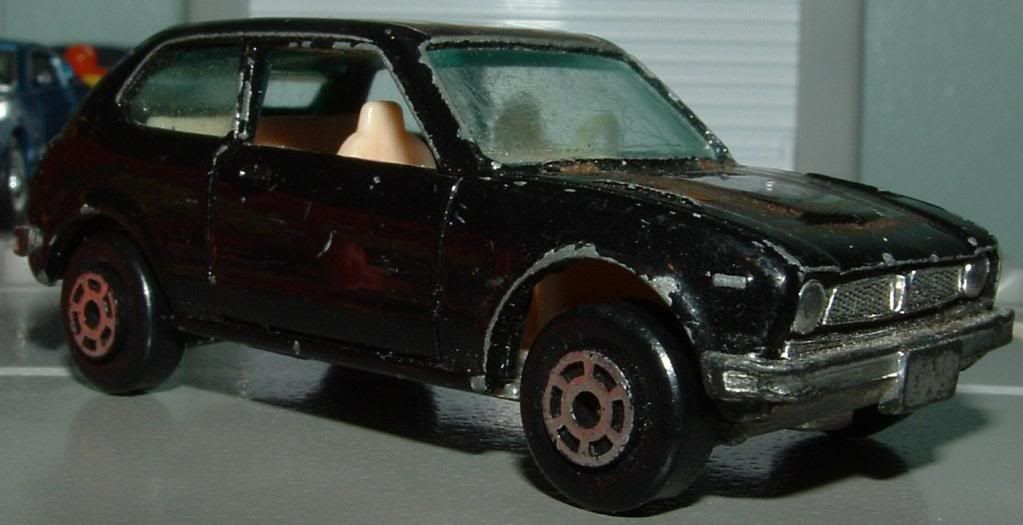
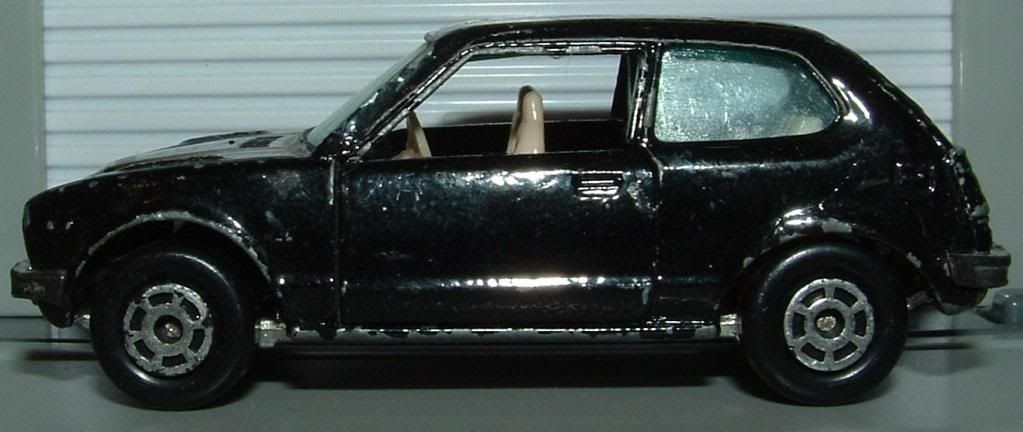
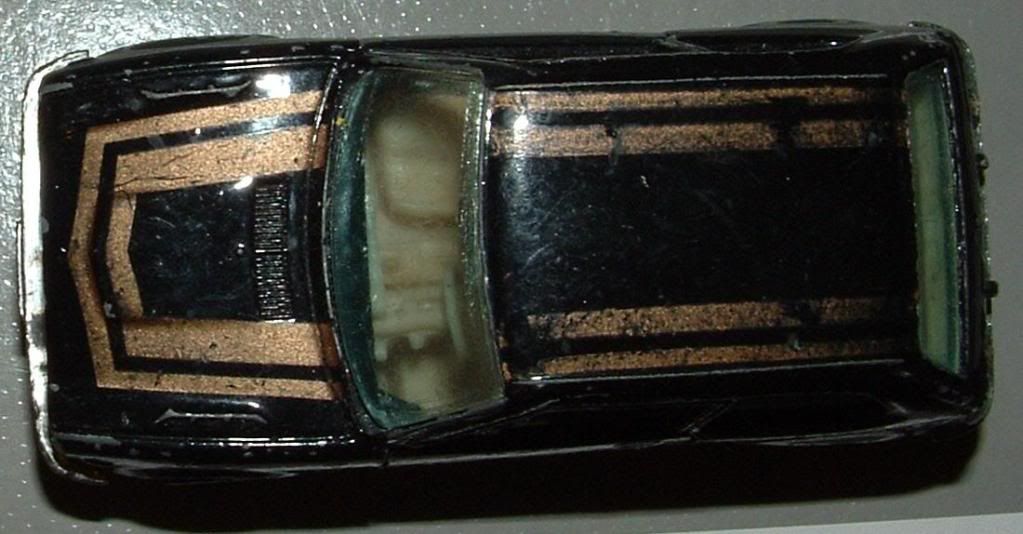
Today's Car Of The Day is Yat Ming's 1975 Honda Civic


The Honda Civic is a line of subcompact and subsequently compact cars made and manufactured by Honda. The Civic, along with the Accord and Prelude, comprised Honda's vehicles sold in North America until the 1990s, when the model lineup was expanded. Having gone through several generational changes, the Civic has become larger and more upmarket, and it currently slots between the Fit and Accord.

It was introduced in July 1972 as a two-door model, followed by a three-door hatchback that September. With the transverse engine mounting of its 1169 cc engine and front-wheel drive like the British Mini, the car provided good interior space despite overall small dimensions. Early models of the Civic typically included a basic AM radio, heater, foam-cushioned plastic trim, two-speed wipers, and painted steel rims with a chromed wheel nut cap. As the years went by, it has become much more upscale with options such as air conditioning, power locks, power windows, leather upholstery, satellite-linked navigation, and a six-speed manual transmission. Initially gaining a reputation for being fuel-efficient, reliable, and environmentally friendly, later iterations have become known for performance and sportiness, especially the Civic Type-R, Civic GTi and Civic SiR.

The Civic has been rebadged for international markets with such models as the Honda Ballade and Honda Domani/Acura EL. The Civic platform also served as the basis for the CR-X sport compact, the CR-X del Sol targa convertible, and the CR-V compact SUV.

As of 2006, a total of 16.5 million Civics had been sold worldwide, with 7.3 million of them in the United States. By 2010, Civic has been the top-selling car in Canada for thirteen years. With high gas prices and a weak economy in June 2008, the Civic supplanted the Ford F-Series to become the top-selling vehicle in the United States for that month.

In Japan , production of non-hybrid Civic for domestic market ended in August 2010, production of Civic hybrid for home market ended in December 2010. In recent years, customers shifted to minivans and compact cars like Honda Fit. Honda launched Fit hybrid in October in Japan. However, production of Civic and Civic hybrid for export markets will continue.


For more information and pictures of the real car please visit: Honda Civic


A nice model from Yat Ming, my only complaint is how big it is.


Honda began selling the 1169 cc (70 in³) transversely mounted inline four-cylinder Civic for about US$2,200. The car produced roughly 50 hp (37 kW) and included power front disc brakes, vinyl seating, reclining bucket seats, and a woodgrain-accented dashboard. The hatchback version added a fold-down rear seat, an AM radio, and cloth upholstery. The car had front and rear independent suspension. A four-speed manual transmission was standard. Options for the Civic were kept to a minimum, consisting of air conditioning, an automatic transmission called the Hondamatic, radial tires, and a rear wiper for the hatchback. The car could achieve 40 mpg-US (5.9 L/100 km; 48 mpg-imp) on the highway, and with a small 86.6-inch (2,200 mm) wheelbase and 139.8-inch (3,550 mm) overall length, the vehicle weighed 1,500 pounds (680 kg).

The four-door sedan version of this bodystyle was not available in the USA, and the sedan was not a hatchback until 1978, just before the introduction of the second generation. In the USA, the advertising campaign used to introduce the Civic was, "Honda, we make it simple."

The Civic's features allowed it to outperform American competitors such as the Chevrolet Vega and Ford Pinto. When the 1973 oil crisis struck, many Americans turned to economy cars. Reviews of American economy car quality were poor and getting worse due to spiraling costs for manufacturers. Japanese culture had a long-standing tradition of demanding high-quality economy cars, and the growing American desire in the 1970s for well-made cars that had good fuel mileage benefited the standing of the Honda Civic, Toyota Corolla and Datsun B210 in the lucrative U.S. market.

For 1974, the Civic's engine size grew slightly, to 1237 cc and power went up to 52 hp (39 kW). In order to meet the new 5 mph (8 km/h) bumper impact standard, the Civic's bumpers grew 7.1 inches (18 cm), increasing overall length to 146.9 inches (373 cm). The CVCC (Compound Vortex Controlled Combustion) engine debuted in 1975 and was offered alongside the standard Civic engine. The optional 53 hp (40 kW) CVCC engine displaced 1488 cc and had a head design that promoted cleaner, more efficient combustion. The CVCC design eliminated the need for catalytic converters or unleaded fuel to meet changing emissions standards, unlike nearly every other U.S. market car. Due to California's stricter emissions standards, only the CVCC powered Civic was available in that state. A five-speed manual transmission became available this year, as did a Civic station wagon (only with the CVCC engine), which had a wheelbase of 89.9 inches (228 cm) and an overall length of 160 inches (406 cm). Civic sales also increased and topped 100,000 units for this year.

1978 brought slight cosmetic changes: the grille was black; the rear-facing hood vents replaced the sideways vents; and turn indicators were mounted in the bumper instead of in the grille. The CVCC engine was now rated at 60 hp (45 kW).

The first generation Honda Civics were notorious for rusting in less than three years from purchase where salt was used in the winter. The U.S. importer, American Honda Motor Company, signed a final consent decree with the Federal Trade Commission that provided owners of 1975-1978 Civics with rusted fenders the right to receive replacements or cash reimbursements. In the end, almost 1 million Honda owners were notified that their fenders could be repaired or replaced by the automaker at no charge. About 10% of all Hondas sold were to be inspected by a dealer, and the automaker had 180 days to replace front fenders and supporting parts that showed rust within the first three years of use.

The Hondas were so vulnerable to corrosion that the National Highway Traffic Safety Administration (NHTSA) also issued a safety recall . This was because the car's lateral suspension arms, front crossbeam, and strut coil spring lower supports could weaken with exposure to salt. A total of 936,774 vehicles built between 9-1-1972 and 8-1-1979 were subject to extensive repairs since Honda had to replace the suspension components, or the automaker bought back entire cars with serious body corrosion.

At the time, Honda's rust recall was the largest safety action among all the brands imported into the U.S. Civics became known for their "typical Honda rust" in the used car market.

Sunday, November 6, 2011

Race Car Of The Day: November 6, 2011


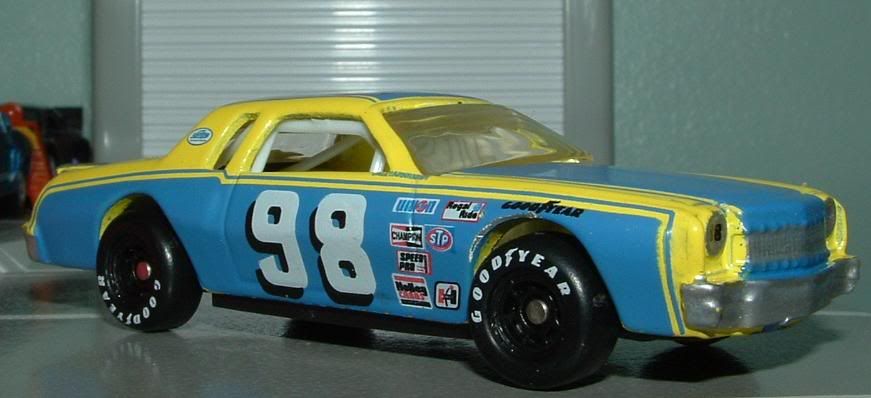
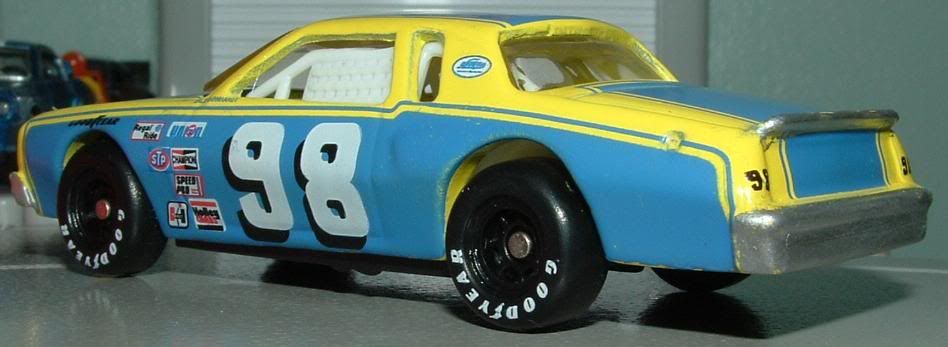
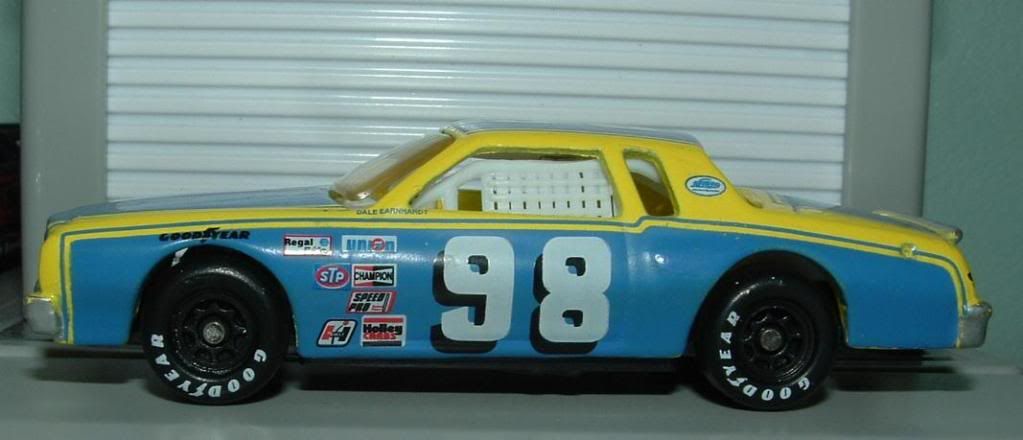
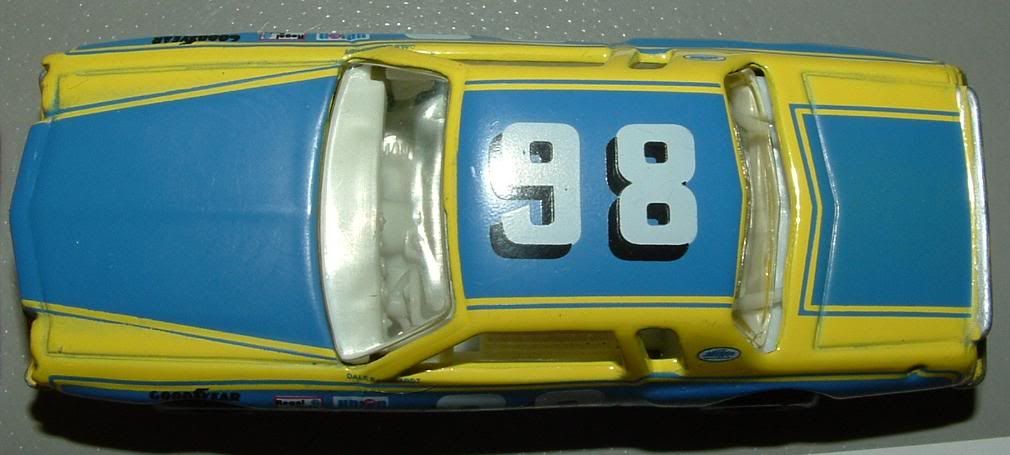
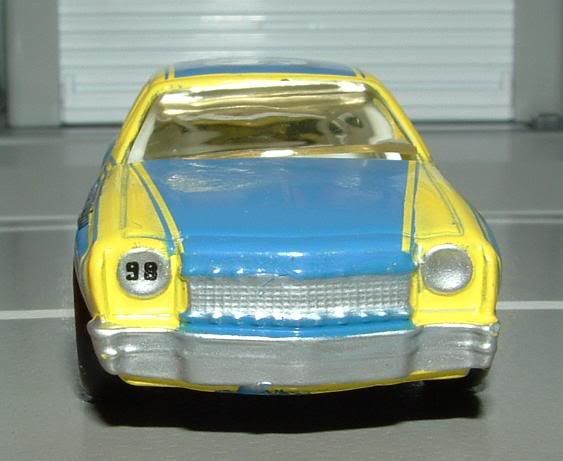
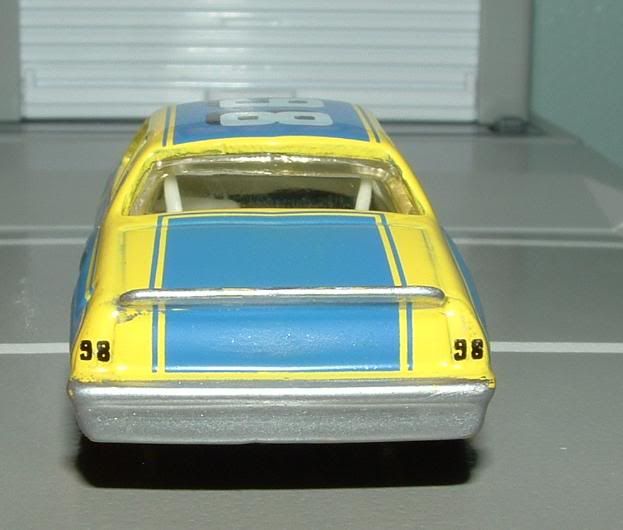
Today's car of the day is Winner's Circle's 1975 Chevrolet Monte Carlo NASCAR stock car.


The Chevrolet Monte Carlo was an American-made two-door coupe introduced for model year 1970, and manufactured over five generations through model year 2007. It was marketed as a personal-luxury coupe through most of its history, with the last model version being classified as a full-sized coupe. When it was discontinued in 2007, it had outlived many competitors that were either discontinued many years earlier or changed in concept to either a four-door sedan or small sport coupe.

The Monte Carlo endured five design generations. The first three (1970–72, 1973–77, 1978–80 and 1981–88) were of a rear-wheel-drive, V8-powered (V6 available beginning in 1978) coupe style, utilizing separate body-on-frame construction. The later rear-wheel-drive generations bucked the trend of unit-body construction, along with smaller engines, that became more prevalent in the early 1980s as automakers downsized their vehicle lines to meet increasing stringent fuel-economy regulations in the aftermath of two energy crises that led to gasoline shortages and skyrocketing pump prices in 1973-74 and 1979-80. Despite those trends, the Monte Carlo remained a popular seller and even regained the SS version (initially offered for 1970-71 with 454 cubic-inch V8) from mid-1983 to 1988 with a high-performance 305 cubic inch V8.
Following a several year hiatus following the discontinuation of the rear-drive Monte Carlo after 1988, the nameplate was revived for 1995 on a front-drive, V6-powered coupe based on the Chevrolet Lumina sedan. It was succeeded by the sixth and final-generation Monte Carlo in 2000 that was built along-side of the Chevrolet Impala, which succeeded the Lumina as Chevy's mid-sized sedan. The Monte Carlo SS was revived from 2000 to 2007, initially powered by 3.8-liter V6 (supercharged in 2004-2005), which was replaced by a 5.3-liter V8 for 2006-2007.


For more information and pictures of the real car please visit: Chevrolet Monte Carlo


In the early 1990s Hasbro purchased rival toy company Kenner (maker of the short-lived Fast 111's among many other toys).  In the late '90s they used the Kenner name on the packaging of their Winner's Circle line.  So I really don't whether to call this one Winner's Circle, Hasbro, or Kenner.  The real car was driven by the Intimidator, Dale Earnhardt.


The 1975 Monte Carlo received only minor styling changes from the 1974 model, including a new grille with the Monte Carlo emblem moved to the center section and new vertically shaped taillights with horizontal louvers.

All models received catalytic converters to meet the latest federal and California emission requirements that included bonuses such as improved fuel economy and drivability, along with longer spark plug and muffler life, but required more expensive and lower-octane unleaded gasoline.

Engines were carryover from 1974 except for the addition of GM's High Energy electronic ignition being made standard equipment. However, power ratings for all engines were decreased due to the addition of the catalytic converter. The 454 CID V8 no longer offered on California cars, leaving the 400 CID four-barrel the top engine in the Golden State. The base 350 CID two-barrel was rated at 145 hp (108 kW) (standard in 49 states), the 350 CID 4-barrel was rated at 155 hp (116 kW) (available only in California), the 400 CID 4-barrel 175 hp (130 kW), and the 454 CID 4-barrel 215 hp (160 kW) (now equipped with single exhaust with dual exhaust as an option). A three-speed manual transmission was standard equipment with the base 350 CID V8 used in 49 states and California-only 350 four-barrel V8. The Turbo Hydra-Matic optional and a required option for the 400 and 454 V8s. Chevrolet sources, however, report that virtually all 1975 Monte Carlos were equipped with the Turbo Hydra-Matic transmission, which became standard equipment for 1976.

New for 1975 was a Custom interior option that included a plusher cloth 50/50 bench seat with recliner on passenger side and lower door panel carpeting. The standard interior still consisted of a bench seat with knit-cloth and vinyl or all-vinyl upholstery. The swiveling Strato bucket seats plus console and floor shifter were still optional with knit cloth or vinyl upholstery. Also, white all-vinyl interiors were available for the first time this year with either bench or bucket seats with contrasting colors for carpeting and instrument panels including black, red, blue and green. A gauge that showed if one was using to much gas, a part of the "Economider" Gauge package, became optional.

Sales dropped off a bit from 1974's record-setting pace due to higher prices resulting from the addition of the catalytic converter, double-digit inflation and new competition from Chrysler's Cordoba and Dodge's Charger SE. Monte Carlo production ended up at around 250,000 units but would rebound to set a new record in 1976.

A 1975 Monte Carlo was featured that year in a Chevrolet TV ad with the patriotic theme of America's favorites including "Baseball, Hot Dogs, Apple Pie and Chevrolet".

Saturday, November 5, 2011

Truck of the Day:November 4, 2011


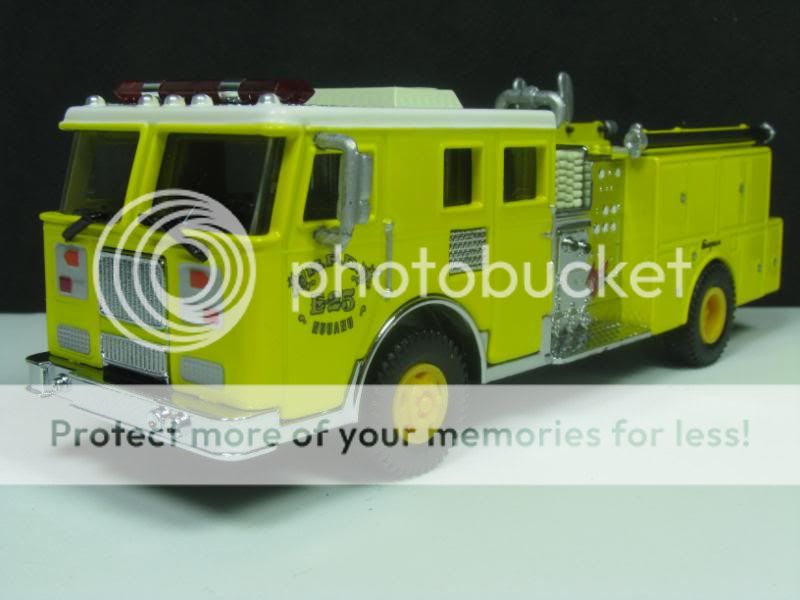
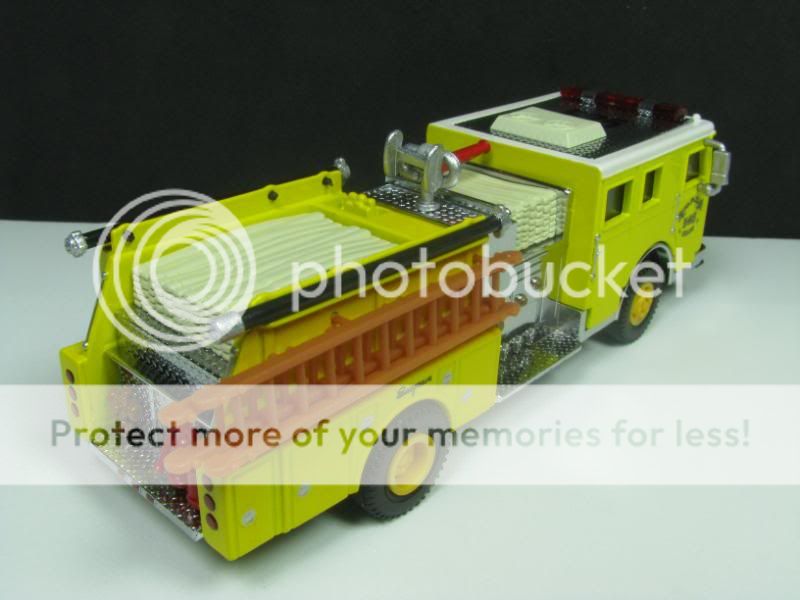
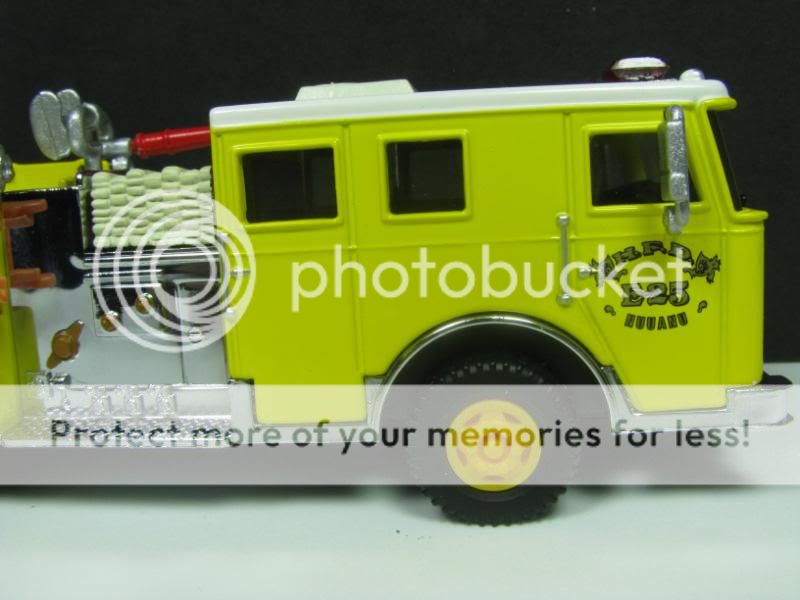
Today's truck is Code 3 Collectables Seagrave Pumper.


Seagrave Fire Apparatus LLC is a manufacturer of fire apparatus that specializes in pumper and rescue units, as well as aerial towers. In addition to manufacturing new equipment, they refurbish, repair and upgrade older Seagrave apparatus, including National Fire Protection Association updates to equipment.[1] They are a major supplier to the New York City Fire Department and the Los Angeles Fire Department.

Seagrave was founded in Detroit, Michigan in 1881 by Fredric Seagrave and moved to Columbus, Ohio in 1891. Seagrave was acquired by the FWD Corporation in 1963 and moved their corporate headquarters to Clintonville, Wisconsin.[2]
Randolph Lenz, Chair of FWD's parent company, Corsta Corp., became embroiled in a Federal Deposit Insurance Corporation suit and in 2003 all assets of FWD: FWD Corporation, Seagrave, Baker Aerialscope and Almonte Fire Trucks were sold to an investment group headed by former American LaFrance executive James Hebe. Today, the Seagrave group is a flagship company of ELB Capital Management.
Seagrave operates US manufacturing facilities in Clintonville, Wisconsin and Rock Hill, South Carolina and is an authorized General Services Administration vendor and supplies the United States Federal Government with firefighting equipment.


To learn more on Seagrave, check out http://en.wikipedia.org/wiki/Seagrave_Fire_Apparatus .


Scored this true 1/64 scale fire truck on the way home from vacation in 2010 at Evers Toy Store in Dyersville, Iowa. My dad and I had gone to Wyoming and Montana that August and we stopped in Dyesville on the way back.


Thursday, November 3, 2011

Race Car of The Day:November 4, 2011


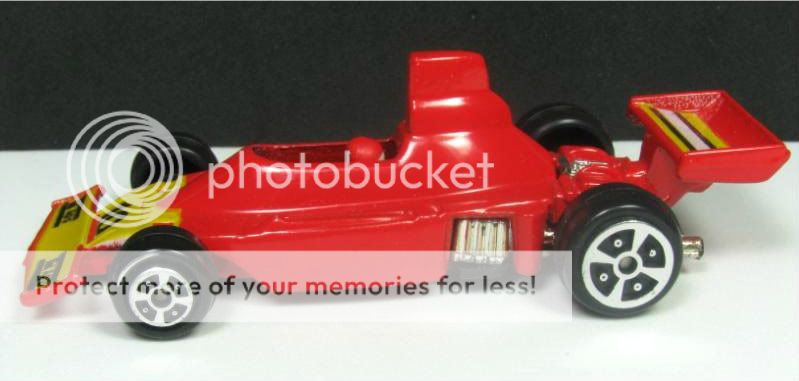
The race car for today is Yatming's Ferrari 312B3.


The Ferrari 312B was a series of Formula One racing car models, designed and built by Scuderia Ferrari. It was the successor to the Ferrari 312 and was used from 1970 until early 1975. Several versions were made: the 312B, 312B2 and 312B3


The early 1970s saw the return of success to the Scuderia; the unlucky Chris Amon left, while Jacky Ickx returned and was joined by Clay Regazzoni. A Flat-12 engine, colloquially referred to as a "boxer" (although not a real boxer engine), was developed for use in the new Ferrari 312B, giving a lower center of gravity.

During the design's first season, in 1970, Ickx battled with Lotus's Jochen Rindt and won 3 Grands Prix, while the emotional 1970 Italian Grand Prix was won by Clay Regazzoni, following the death of Rindt in the week preceding the race. In the remaining races, Ickx could not pass Rindt's point score for the drivers title, and Lotus won the Constructors Championship ahead of Ferrari.
1971 started with a win by new signing Mario Andretti, followed by another GP win for Ickx. Ferrari ultimately came second in the Constructors Championship, as Jackie Stewart and Tyrrell dominated the season.

In 1972, Ferrari could not keep up with the progress of the competition, dropping to 4th at the end of the year. Ickx won the 1972 German Grand Prix at his favorite track, the Nürburgring, but this was to be his last GP win. The sports cars season was a success for Ferrari though, with the Ferrari 312PB based on the F1 car.


In 1973 the Ferrari 312B2 was no longer competitive, and Ickx only managed one 4th place, at the opening GP of the season. In addition to the sports cars, which were beaten by the French Matra, the F1 program of the Italian team was outclassed, and they even skipped some F1 races, notably the Nürburgring. This was not acceptable to Ickx, because the Nürburgring where the German Grand Prix was being held that year was his favorite race track.[citation needed] As a result, he left the team halfway through the season in order to contest the 1973 German Grand Prix at the 'Ring in a McLaren, where he took 3rd place behind the Tyrrells of Stewart and François Cevert.

Ferrari signed BRM drivers Niki Lauda and Clay Regazzoni to rebuild the team in 1974. A new model, the 312 B3, based on a prototype called "snow plough" was introduced.The car was succeeded by the 312T which was introduced for the 1975 Formula One


Here's a child hood survivor Yatming. Wasn't aware of this till doing research for this COTD and found out the 'Agip' sponsor on the front section of the car is a real company! It's an Italian gasoline supplier.

http://en.wikipedia.org/wiki/Agip

Wednesday, November 2, 2011

Truck of the Day:November 3, 2011


The truck for today is the ERTL 1982 GMC.


The C/K is the name for Chevrolet and GMC's full-size pickup truck line from 1960 until 1999 in the United States, from 1965 to 1999 Canada, from 1964 through 2001 in Brazil, and from 1975 to 1982 in Chile. The first Chevrolet pickup truck appeared in 1924, though in-house designs did not appear until 1930. "C" indicated two-wheel drive and "K" indicated four-wheel drive. The aging C/K light-duty pickup truck was replaced with the Chevrolet Silverado and GMC Sierra in 1999 in the US and Canada, and 2001 in Brazil; the Chevrolet Silverado HD and GMC Sierra HD heavy-duty pickup trucks followed in 2001.


A mid-lifecycle cosmetic facelift and mechanical refresh was carried out for the 1981 model year. In response to the recent 1979 energy crisis, the 1981 rework featured several fuel saving techniques to help make the rounded-line C/K-Series pickups more fuel efficient. Again, engineers turned to wind tunnels to resculpt the front end with new sheet metal, reducing areas which could hinder air flow and cause drag. A sleeker front bow-like look emerged, similar to a ship’s bow with the front end being gently swept back from the center. New dual halogen sealed-beam headlamps became available as an option. Mechanical updates included more anti-corrosion techniques, reduced weight, and a new 5.0 liter 305 cubic inch V8 with electronic spark control.


Scored this cool ERTL from pjedsel in one of his recent sales. We can go through how 80s ERTL models are not of the highest quality but it's a cool truck I'm happy to have in my collection.

Tuesday, November 1, 2011

Car of the Day:November 2, 2011


The car for today is the Matchbox 1971 Oldsmobile Vista Cruiser.


The Vista Cruiser is a station wagon built by the Oldsmobile Division of General Motors from 1964 to 1977. It was based on the Oldsmobile Cutlass/F-85 model but prior to the 1973 model year it utilized a wheelbase which was 5 inches (130 mm) longer than that of the Cutlass/F-85 sedan.

Unlike most station wagons, it was styled with an unusual dome car-like glass found in the roof over the second-row seating. It also included sun visors for the second row of seats, and had smaller glass panels over the rear cargo area windows. This car was introduced to the public on February 4, 1964, as a 1964 model.

This body style was not unique to Oldsmobile, being shared with the Buick Sport Wagon, and was not repeated in future Oldsmobile mid-size wagons; however, the skylight concept was repeated with the 1991-92 full-size Oldsmobile Custom Cruiser wagon and echoed by its corporate sibling, the 1991-96 Buick Roadmaster wagon. The forward-facing third row seat; while the norm until the late 50s was also unusual for car-based wagons at the time. Though the 71-76 full size GM clamshell models would also use a forward-facing third row, and employ a similar elevated roof over the cargo hold, though without the skylight.


A major restyling of the GM A-body car line for 1968 replaced the split skylight with a one-piece skylight, and stretched the wheelbase from 120" to 121". From 1968 to 1972, a 350 cubic-inch V8 became standard with a larger 400 cubic-inch V8 from the 442 muscle car optional in 1968-69 and a 455 cubic-inch V8 from the 442 available from 1970 to 1972. Transmission offerings through the years included one of two automatics - the two-speed Jetaway (1968) or three-speed Turbo Hydramatic (1968-72), or very rarely, a standard three-speed manual with column shift or optional four-speed manual with floor-mounted Hurst shifter.


Check out http://en.wikipedia.org/wiki/Oldsmobile_Vista_Cruiser to learn more on the '71 Vista Cruiser.


Matchbox included the Olds shown in the 2010 Lesney Line. It features as about of good details shown on any Matchbox that I can recall. The simulated wood paneling and the detailed trim work are standout features.