Saturday, April 21, 2012

Race Car Of The Day: April 21, 2012


Today's car of the day comes from Firehawk73's collection and is Action's 1975 Chevrolet Monza funny car.


The Chevrolet Monza is a subcompact, four-passenger automobile produced by the Chevrolet division of General Motors for the 1975–1980 model years. The Monza is based on the Chevrolet Vega, sharing its wheelbase, width and 140 CID (2300 cc) inline-4 engine. The 1975 Monza 2+2 was designed to accommodate the GM-Wankel rotary engine, but due to mediocre fuel economy and emissions compliance issues the engine was cancelled, and a fuel-efficient 4.3 liter V8 engine option was substituted.

The Monza 2+2 and Monza Towne Coupe competed with the Ford Mustang II and other sporty coupes.  H-body variants Buick Skyhawk and Oldsmobile Starfire were produced using the Monza 2+2 body with grill and trim variations and Buick's 3.8 liter V6 engine. The Pontiac Sunbird variant was introduced the following model year, eventually offered in both Monza body styles. The Monza nameplate originated in mid-1960 for the sporty version of the Chevrolet Corvair.


For more information and pictures of the real car please visit: Chevrolet Monza


The Monza 2+2, Chevy's sporty successor to the Vega debuted as the single-model 2+2 hatchback. The Monza is 4 inches (100 mm) longer and weighs 180 pounds more than the Vega from which it is derived.  John DeLorean nicknamed it the Italian Vega citing styling with a strong resemblance to the Ferrari 365 GTC/4.

The 1975 Monza was initially slated to introduce the GM Wankel rotary engine which is licensed from NSU. Notable rotary issues included mediocre fuel economy compounded at a time of comparatively high fuel prices following the Arab oil boycotts of 1973 and 1974, and GM canceled the engine. Thus the 1975 Chevrolet Monza was launched carrying conventional piston engines instead.

The 1975 Monza 2+2 wore its newly approved rectangular headlights and a slot-style grille in a slanted nose made of resilient urethane. The side window louvers are functional, part of the flow-through ventilation system. The Monza 2+2's two-door hatchback body style was shared with the Oldsmobile Starfire and Buick Skyhawk. The standard Monza engine was the Vega aluminum-block 140 CID (2.3 liter) inline-4 engine with a single barrel carburetor generating 78 horsepower (58 kW) at 4200 rpm. Optional was the 2-barrel carburetor version that generates 87 horsepower (65 kW) at 4400 rpm. Chevrolet's new 4.3 liter (262 cid) V-8 engine was optional. The smallest V8 ever offered by Chevrolet, it features a Rochester 2-barrel carburetor and generates 110 horsepower (82 kW) at 3600 rpm. For 1975 only, Monzas sold in California and high altitude areas met the stricter emissions requirnment by substituting a version of the 5.7 liter (350 cid) V8 engine with a 2-barrel carburetor tuned to just 125 hp (93 kW). The Monza 2+2 and its Buick and Oldsmobile variants feature GM's first use of a torque arm rear suspension, also adopted for the 1975 Cosworth Vega introduced mid-1975, and later, all 1976-77 Vegas and Pontiac Astres. The basic design was also incorporated into GM's third and fourth generation F-bodies, Chevrolet Camaro and Pontiac Firebird.

In April 1975, the Monza Towne Coupe was introduced - a notchback body-style with a conventional trunk featuring different sheetmetal than the 2+2 hatchback, although sharing its windshield, front fenders, and doors. It features single round headlamps, instead of the dual rectangular headlamps on the 2+2. The Towne Coupe was offered in response to the sales success of the Ford Mustang II notchback coupe and its luxury version, the Mustang II Ghia. The Towne Coupe is 1.5 inches (38 mm) shorter and 135 pounds (61 kg) lighter than the 2+2 and has slightly more rear head room. A lower priced "S" version of the 2+2 Hatchback was introduced mid-year. It featured as standard the Vega 1-barrel engine with a 3-speed manual transmission. The sport suspension, full console, sport steering wheel, day/night and wheel opening moldings were deleted on the "S". The Chevrolet Monza 2+2 won Motor Trend magazine's "Car of the Year" award for 1975.

Friday, April 20, 2012

Car Of The Day: April 20, 2012


Today's car of the day comes from Firehawk73's collection and is GreenLight's 1971 Chevrolet Camaro.


The second-generation Chevrolet Camaro is a pony car by the Chevrolet division of General Motors produced for the 1970 through 1981 model years. It was introduced February 26, 1970 It was longer, lower, and wider than the first generation Camaro. A convertible body-type was no longer available. GM engineers have said the second generation is much more of "A Driver's Car" than its predecessor.


For more information and pictures of the real car please visit: Chevrolet Camaro


Dubbed "Super Hugger", the second-generation Camaro was developed without the rush of the first generation and benefited from a greater budget in light of the success of the first generation. Although it was an all-new car, the basic mechanical layout of the new Camaro was familiar, engineered much like its predecessor with a unibody structure utilizing a front subframe, A-arm and coil spring front suspension, and rear leaf springs. The chassis and suspension of the second generation were greatly refined in both performance and comfort; base models offered significant advances in sound-proofing, ride isolation, and road-holding. Extensive experience Chevrolet engineers had gained racing the first-generation led directly to advances in second-generation Camaro steering, braking, and balance. Although it began its run with a number of high-performance configurations, as the 1970s progressed, the Camaro grew less powerful, succumbing, like many production cars of the era, to the pressures of tightening emissions regulations and a fuel crisis. Major styling changes were made in 1974 and 1978; 1981 was the final model year for the second-generation Camaro.

Most of the engine and drivetrain components were carried over from 1969, with the exception of the 230 cu in (3.8 L) six-cylinder — the base engine was now the 250 cu in (4.1 L) six, rated at 155 hp (116 kW). The top performing motor was the 396 cu in (6.5 L) L78 rated at 375 hp (280 kW). Starting in 1970, the big block V8s (nominally 396 cu in (6.5 L)) actually displaced 402 cu in (6.6 L), yet Chevrolet chose to retain the 396 badging. Two 454 cu in (7.4 L) engines (the LS6 and LS7) were listed on early specification sheets and in some sales brochures but never made it into production. Besides the base model, buyers could select the Rally Sport option with a distinctive nose and bumper, a Super Sport package, and the Z-28 Special Performance Package (priced at US$572.95) featuring a new high-performance LT-1 360 hp (268 kW) 380 lb·ft (520 N·m) of torque 350 cu in (5.7 L) V8. The LT-1, an engine built from the ground up using premium parts and components, was a much better performer overall than the previous 302 cu in (4.9 L) V8s used in 1967-69 Z-28s; greater torque and less-radical cam, coupled with the 780 cfm Holley four-barrel, permitted the Z-28 to be available with the 3-speed Turbo Hydramatic 400 automatic transmission as an option to the four-speed manual for the first time.

The new body style featured a fastback roofline and ventless full-door glass with no rear side quarter windows. Doors were wider to permit easier access to the rear seat, and new pull-up handles replaced the old handles, for which the lower button had to be pushed in to lock the door. The roof was a new double-shell unit for improved rollover protection and noise reduction. The base model featured a separate bumper/grille design with parking lights under the bumper, while the Rally Sport option included a distinctive grille surrounded by a flexible Endura material along with round parking lights beside the headlights and bumperettes surrounding on both sides of the grille. The rear was highlighted by four round taillights similar to the Corvette. A convertible was not offered, making this the only Camaro generation not to offer one.
The '70½ was the first Camaro offered with a rear stabilizer bar. The four-wheel disc brake option (RPO JL8 of 1969) was dropped.

Inside, a new curved instrument panel featured several round dials for gauges and other switches directly in front of the driver while the lower section included the heating/air conditioning controls to the driver's left and radio, cigar lighter and ashtray in the center and glovebox door on the right. New Strato bucket seats, unique to 1970 models, featured squared-off seatbacks and adjustable headrests, and the rear seating consisted of two bucket cushions and a bench seat back due to the higher transmission tunnel. The optional center console, with standard Hurst shifter, was now integrated into the lower dashboard with small storage area or optional stereo tape player. The standard interior featured all-vinyl upholstery and a matte black dashboard finish, while an optional custom interior came with upgraded cloth or vinyl upholstery and woodgrain trim on dash and console.

The 1970 model was introduced in February 1970, halfway through the model year. This caused some people to refer to it as a "1970½." model; all were 1970 models. The 1970 model year vehicles are generally regarded as the most desirable of the early second-generation Camaros, since the performance of following years was reduced by the automobile emissions control systems of the period and later the addition of heavy federally mandated bumpers.

The 1971 Camaro received only minor appearance changes from its 1970 counterpart. Inside, new high-back Strato bucket seats with built-in headrests replaced the 1970-only low-back seats with adjustable headrests. The biggest changes came under the hood, due to a GM-corporate mandate all engines be designed to run on lower-octane regular-leaded, low-lead, or unleaded gasoline, necessitating reductions in compression ratios and horsepower ratings. The 250 ci 6, 307 ci V8 and two-barrel 350 V8 were virtually unchanged, as they were low-compression regular-fuel engines in 1970 and previous years, while the LT-1 350 V8 used in the Z/28 dropped from 360 to 330 horsepower (250 kW) due to compression ratio decline from 11.0:1 to 9.0:1, and the big 396/402 V8 dropped from 350 to 300 horsepower (220 kW) due to compression ratio drop from 10.25:1 to 8.5:1.

Production and sales dropped due to a 67-day corporate-wide strike at GM that coincided with the introduction of the 1971 models in late September 1970, along with a continued declining interest in the ponycar market fueled by skyrocketing insurance rates for high-performance cars. Rumors of the possible cancellation of the Camaro after 1972 began to surface and were nearly confirmed a year later when another worker's strike hit the assembly plant at Norwood, Ohio, which was the only plant building Camaros and Firebirds.

Thursday, April 19, 2012

Car Of The Day: April 19, 2012


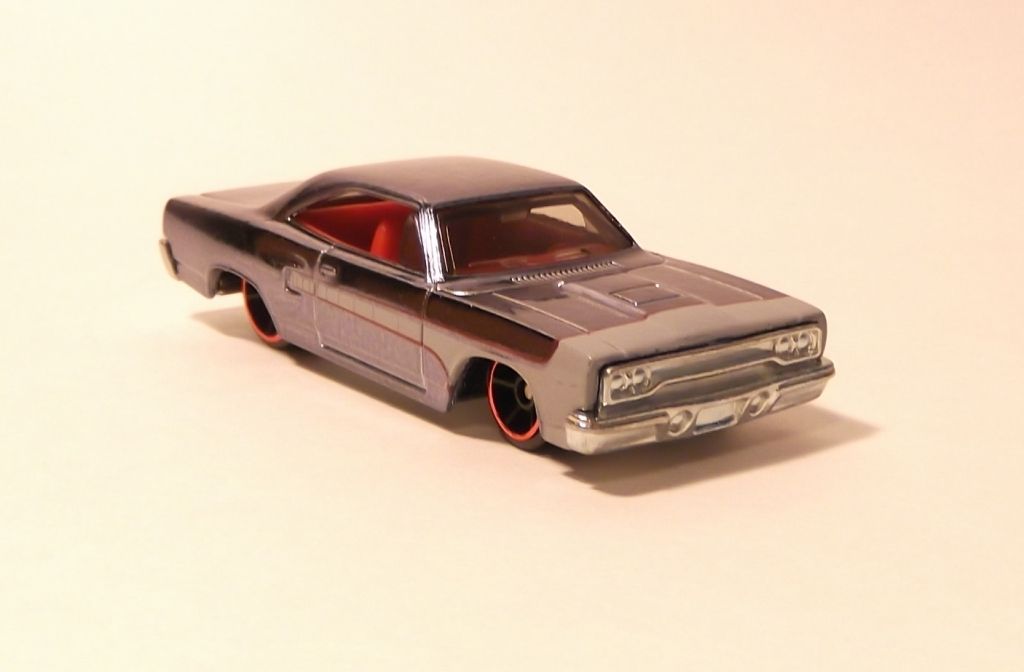
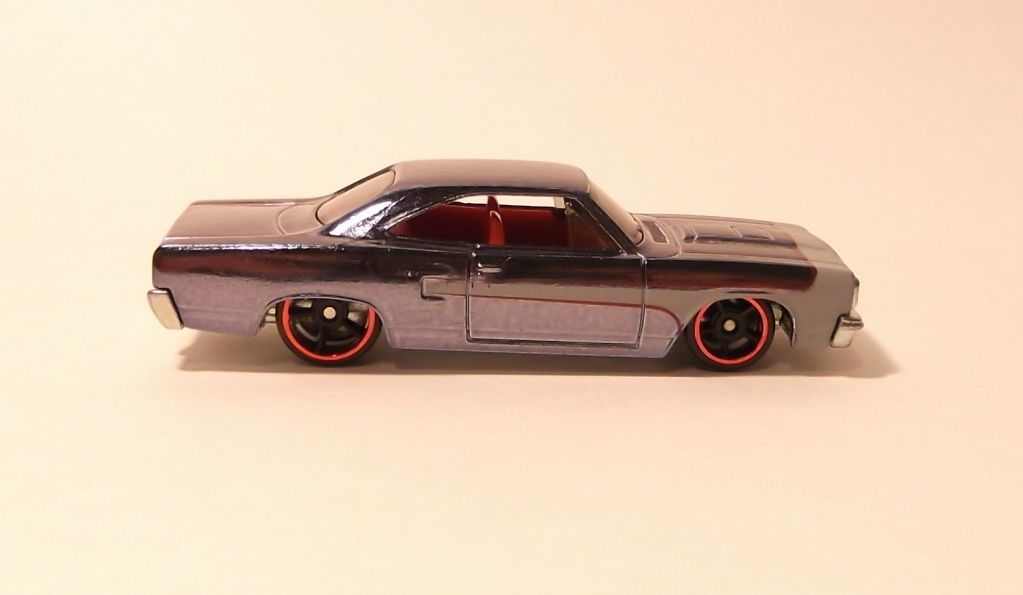
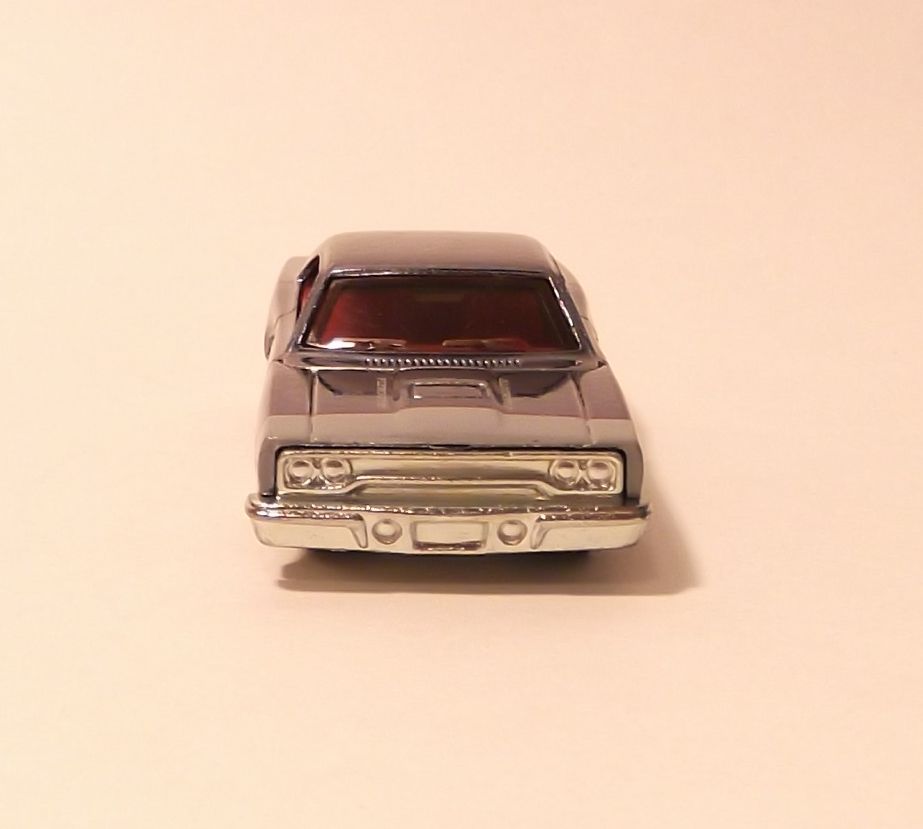
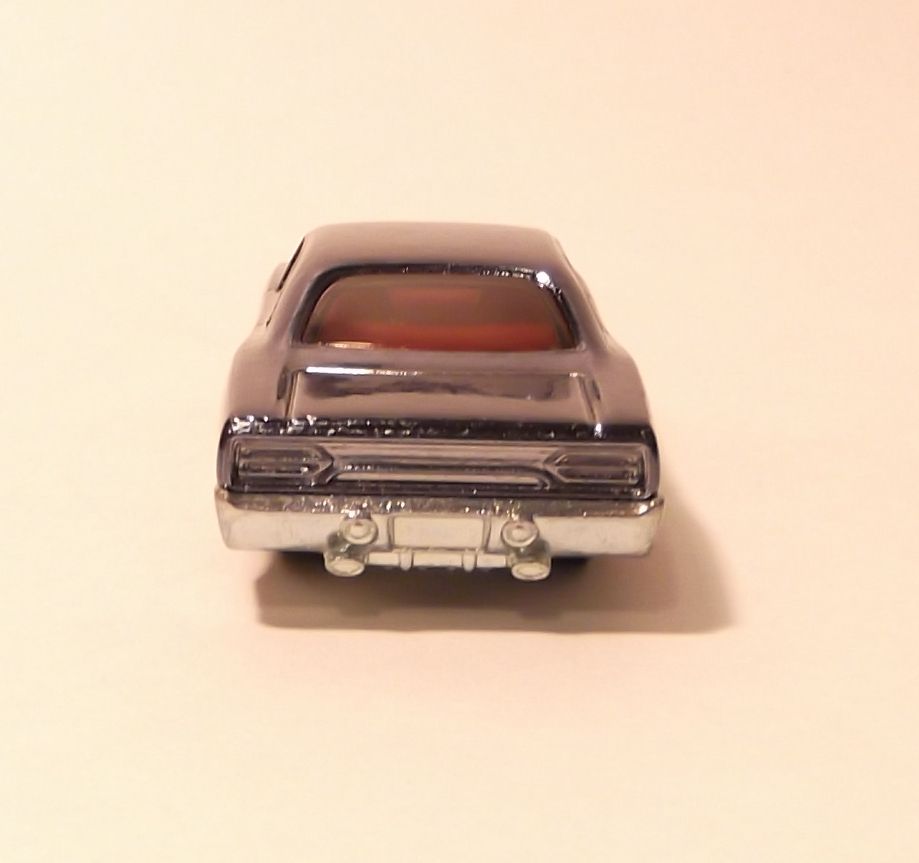
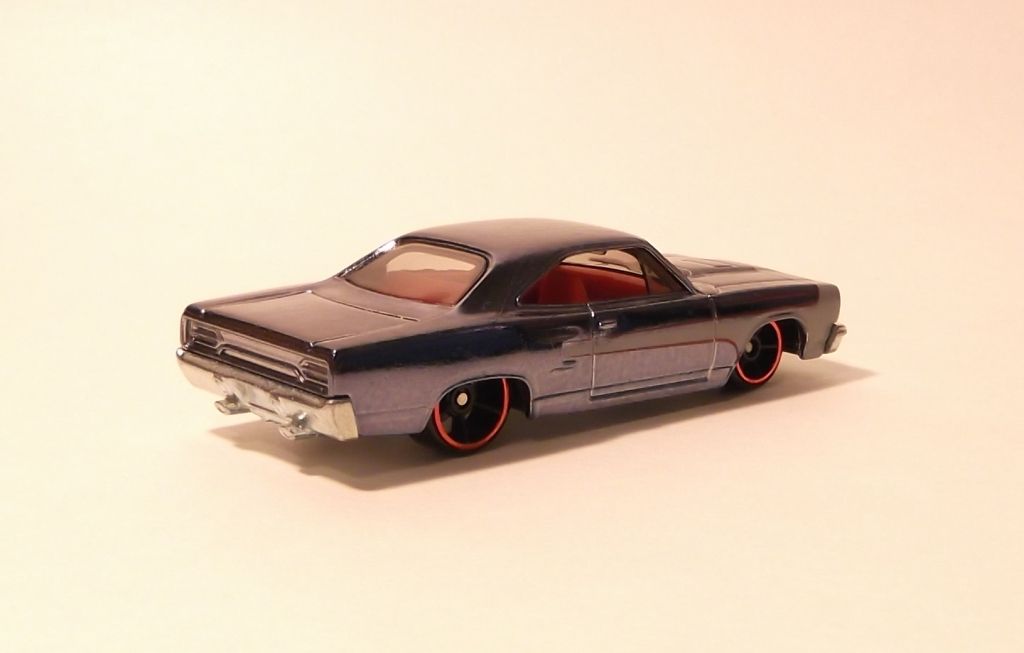
Today's car of the day comes from Firehawk73's collection and is Hot Whee;s' 1970 Plymouth Road Runner.


The Plymouth Road Runner was a muscle car built by the Plymouth division of the Chrysler Corporation in the United States between 1968 and 1980. In 1968, the first muscle cars were, in the opinion of many, moving away from their roots as relatively cheap, fast cars as they gained options. Although Plymouth already had a performance car in the GTX, designers decided to go back to the drawing board and reincarnate the original muscle car concept. Plymouth wanted a car able to run 14-second times in the quarter mile (402 m) and sell for less than US$3000. Both goals were met, and the low-cost muscle car hit the street. The success of the Road Runner would far outpace the upscale and lower volume GTX, with which it was often confused.


For more information and pictures of the real car please visit: Plymouth Road Runner


1970 brought new front and rear end looks to the basic 1968 body, and it would prove to be another success. Updates included a new grille, leather seats, hood, front fenders, quarter panels, single-piston Kelsey-Hayes disc brakes (improved from the rather small-rotor Bendix 4 piston calipers of '68 - '69 ), and even non-functional scoops in the rear quarters. The design and functionality of the Air Grabber option was changed this year to increase both efficiency and the "intimidation factor". A switch below the dash actuated a vacuum servo to slowly raise the forward-facing scoop, exposing shark-like teeth on either side. "High Impact" colors, with names like In-Violet, Moulin Rouge, and Vitamin C, were options available for that year. The 1970 Road Runner and GTX continued to be attractive and popular cars. The engine lineup was left unchanged although a heavy-duty three-speed manual became the standard transmission, relegating the four-speed to the option list along with the TorqueFlite automatic. This was to be the second and last year of the Road Runner convertible, with only 834 made. These cars are considered more valuable than the 1969 version due to a better dash, high impact colors and more options including the new high-back bucket seats shared with other Chrysler products which featured built-in headrests.

The relatively popular 440 Six Barrel was relegated to option status for 1970. The 1969 "M" Code Edelbrock aluminum intake was replaced by a factory-produced cast iron piece; however, due to a porous casting, there was a recall early in the iron intake-equipped 440+6 run, and these were supposed to be replaced with the more-desirable Edelbrock intake from the year prior.

Sales of the '70 Road Runner dropped by more than 50 percent over the previous year to around 41,000 units (about 1,000 ahead of Pontiac's GTO but still about 13,000 units behind Chevy's Chevelle SS-396/454). This would also be the last year of the road runner convertible with 834 total production. Only 3 hemi (R) code road runner convertibles were built. The declining sales of Road Runner and other muscle cars were the result of a move by insurance companies to add surcharges for muscle car policies - making insurance premiums for high-performance vehicles a very expensive proposition. Also, Plymouth introduced another bargain-basement muscle car for 1970, the compact Duster 340 which was powered by a 275-horsepower 340 Magnum V8 which in the lighter-weight compact A-body could perform as well if not better than a 383 Road Runner. Furthermore, the Duster 340 was priced even lower than the Road Runner and its smaller engine qualified it for much lower insurance rates.

Wednesday, April 18, 2012

Car Of The Day: April 18, 2012


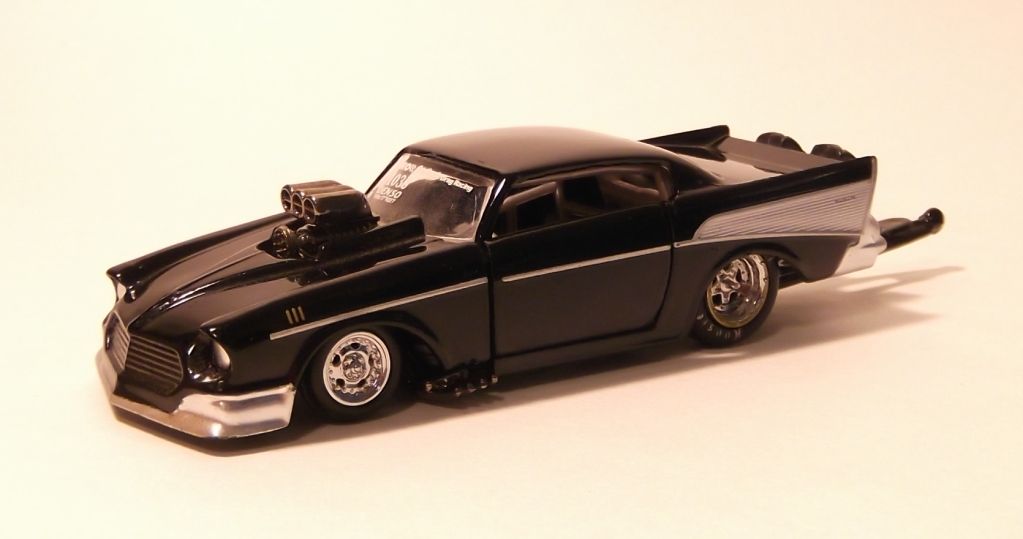
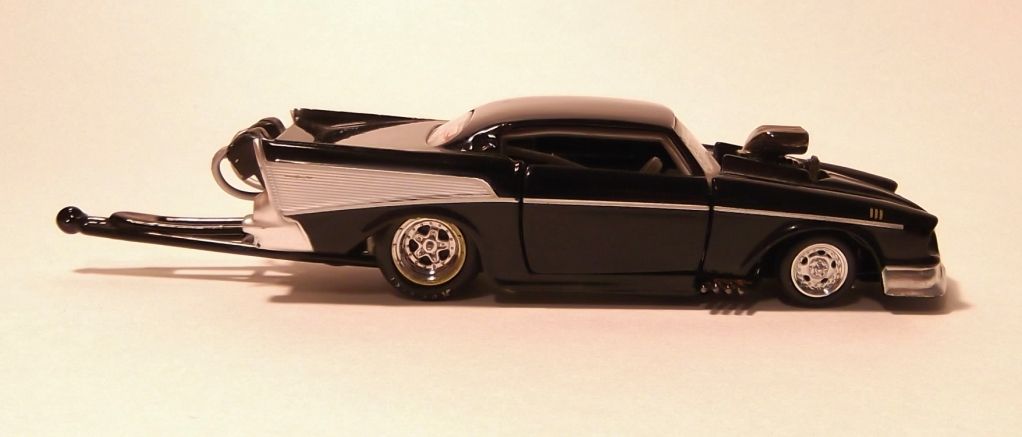
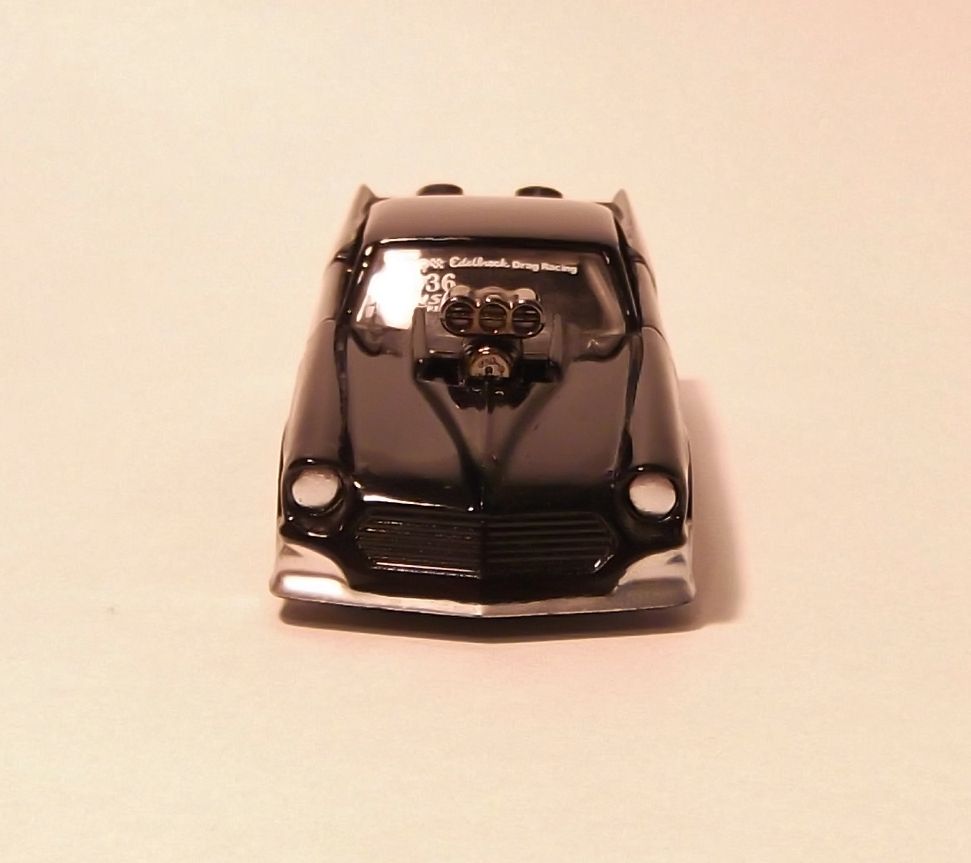
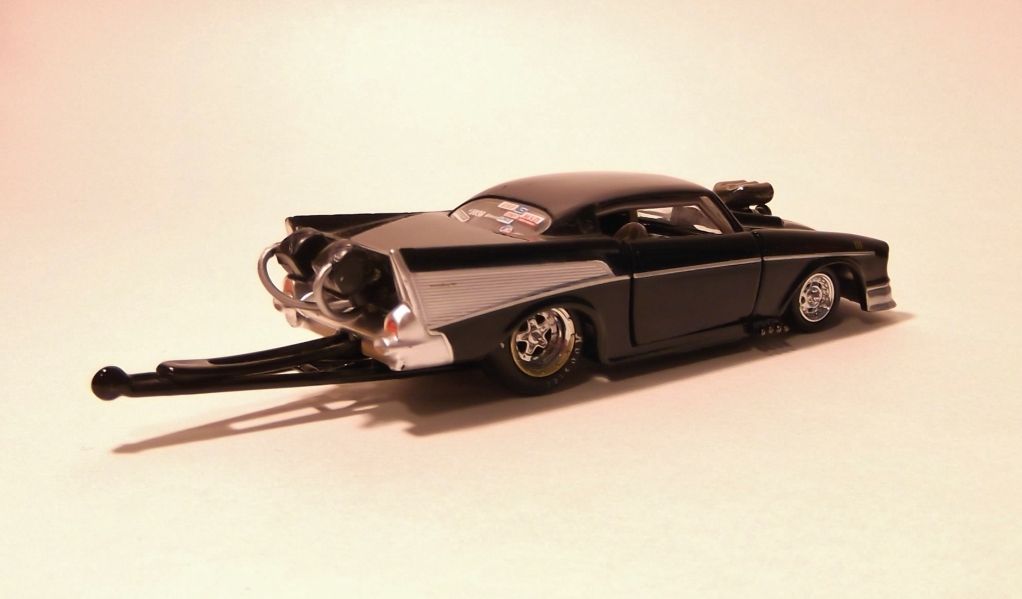
Today's car of the day comes from Firehawk73's collection and is Muscle Machines 1957 Chevy Bel Air Pro Stock.


The Chevrolet Bel Air is a full-size automobile that was produced by the Chevrolet division of General Motors for the 1950–1975 model years. Hardtops in the Chevrolet Deluxe Styleline model range were designated with the Bel Air name from 1950 to 1952, but it was not a distinct series of its own until the 1953 model year. Bel Air production continued in Canada for its home market only through the 1981 model year.


For more information and pictures of the real car please visit: Chevrolet Bel Air


For 1955, Chevrolet's full-size model received new styling that earned it the "Hot One" designation by enthusiasts. Unlike Ford and Plymouth, Chevrolet's styling was considered crisp and clean. Bel Airs came with features found on cars in the lower models ranges plus interior carpet, chrome headliner bands on hardtops, chrome spears on front fenders, stainless steel window moldings, and full wheel covers. Models were further distinguished by the Bel Air name script in gold lettering. For 1955 Chevrolets gained a V8 engine option. The new 265 cu in (4,340 cc) V8 featured a modern, overhead valve high compression, long stroke design that was so good that it remained in production in various forms, for many decades. The base V8 had a two-barrel carburetor and was rated at 162 hp (121 kW), and the "Power Pack" option featured a four-barrel carburetor and other upgrades yielding 180 bhp (130 kW). Later in the year, a "Super Power Pack" option added high-compression and a further 15 bhp (11 kW). "Idiot" lights replaced gauges for the generator and oil pressure. Motor Trend magazine gave the Bel Air top marks for handling. Front legroom was 43.1". Brakes were 11" drums.

The 1956 Bel Air received a face-lift with a more conventional full-width grille, pleasing those customers who didn't favor the Ferrari-inspired '55 front end. Distinctive two-tone bodyside treatments and graceful front and rear wheel openings completed the "speedline" restyling. Single housings incorporated the taillight, stoplight, and backup light, and the left one held the gas filler - an idea popularized on Cadillacs. Among the seven Bel Air models was a new Sport Sedan, a pillarless four-door hardtop that looked handsome with all the windows rolled down and allowed easy entry into the back seat. Production exceeded 103,000, compared to 128,000 two-door hardtops. Shapely two-door Nomad wagons topped the price chart at $2,608, but now carried the same interior and rear-wheel sheetmetal as other Bel Airs, lacking the original's unique trim. Only 7,886 were built. The least costly Bel Air, at $2,025, was the two-door sedan. Seatbelts, shoulder harnesses, and a padded dashboard were available, and full-size cars could even get the hot Corvette 225-horsepower engine. In 1956 sales material was an optional rain-sensing automatic top, which was first seen on the 1951 LaSabre concept car. However, it is believed that it was never installed on a car.
In 1957 engine displacement grew to 283 cu in (4,640 cc) with the "Super Turbo Fire V8" option producing 283 hp (211 kW) with the help of continuous (closed loop) mechanical fuel injection. These so-called "fuelie" cars are quite rare, since most Bel Airs were fitted with carburetion. The 1957 Bel Air is among the most recognizable American cars of all time; well-maintained examples, especially Sport Coupes and Convertibles are highly sought after by collectors and enthusiasts. They are roomy, fuel-efficient, with tastefully restrained, period use tail fins and chrome. A second automatic transmission, Turboglide, was optional. While the original two-speed Powerglide continued unchanged, Turboglide provided a continuously variable gear ratio which made "shifting" imperceptible. The shift quadrant on Turboglide cars followed a "P R N D Lr" pattern.

From 1955 to 1957, production of the two-door Nomad station wagon was assigned to the Bel Air series, although its body and trim were unique to that model. Prior to becoming a regular production model, the Nomad first appeared as a Corvette-based concept vehicle in 1954. Chevrolet has since unveiled two concept cars bearing the Nomad name, most recently in 1999. The 1955–1957 Chevrolets are commonly referred to as TriFives.

The 1955-1957s were made in right-hand drive and shipped from Oshawa, Canada, for local assembly in Australia (CKD), New Zealand (SKD) and South Africa. All three model years had a reversed version of the '55 LHD dashboard and did not get the LHD models' 1957 redesign.

Tuesday, April 17, 2012

Fire Truck Of The Day: April 17, 2012


Today's car of the day comes from Firehawk73's collection and is Matchbox's 2000 Ford F-350 mini pumper.


The Ford Super Duty is a line of trucks (over 8,500 lb (3,900 kg) GVWR) introduced in 1998 for the 1999 model year. The F-250 to F-550 Super Duties are assembled at the Kentucky Truck Plant in Louisville, Kentucky. The F-650 and F-750 Super Duties are assembled at the Blue Diamond Truck plant in Mexico.

The Super Duty trucks are larger, heavier built series pickup trucks with heavier-duty body-on-frame steel ladder frames, axles, springs, brakes, transmissions, more powerful engines, and all other heavier/bigger components (with much higher payload and towing capacities) than the older traditional equivalent F-250, F-250HD (Heavy Duty), and F-350 Ford truck lines. The two-wheel-drive and four-wheel-drive model frames are the same in the F-250 and F-350 series, making conversion from a two-wheel-drive model to a four-wheel-drive model less difficult than in other truck models. F-350 chassis cab, F-450 and F-550 frames are the same between the two-wheel-drive and four-wheel-drive models, and use the same suspension.


For more information and pictures of the real car please visit: Ford Super Duty


For the 1999 model year, Ford shifted the F-250 and F-350 truck lines to a design mechanically and cosmetically distinct from that of the F-150. The F-350 was not available for 1998, while the F-250 was available that year with the F-150's body. By using two separate but related platforms for F-Series trucks, the inevitable compromises inherent in offering a wide range of load-carrying capacities were avoided. The main competition, General Motors, followed suit for the 2001 model year, when the Chevrolet Silverado HD and GMC Sierra HD were introduced.

These trucks were styled distinctly different for the first time from the smaller F-150 half-ton pickups. They did not share components with the F-150 platform at all (except V-8 gas engines, interior components, and cargo bed on earlier generations), even though it was still considered an F-series truck. The front was more boldly angular with a raised hood. Somewhat similar to the Dodge Ram, but Ford has a history of a raised hood in the middle. The Ford'd fenders are also upright and not sloping, while the dodge's slopes down following the center hood. As an industry first, 2 large complete ring-style front tow hooks were included. The side windows went lower forward in the door like a commercial medium to heavy duty truck (similar to a Kenworth "Daylight Door"), and the grille was also narrower and taller as if from a larger truck, and in 2001, optional manual telescoping Trailer Tow (TT) mirrors became available.

There were three cab options: Standard (2–3 passengers) with two doors, SuperCab (5–6 passengers) with 2 reverse-opening small rear doors (4 doors), and the crew cab with 4 full doors and seats for 5–6 people. The Super and Crew cabs came with 6+3⁄4-foot (2.1 m) and 8-foot (2.4 m) full-size bed options, but the Standard cab was only available with the 8-foot bed. The F-250 Super Duty would also be the base platform for the short-lived Ford Excursion which was the only passenger SUV larger than the Chevrolet Suburban and its twin, the GMC Yukon XL.

The Ford F-350 Super Duty first generation was also assembled in Venezuela as a commercial small truck from 1999 to 2010. For this market the F-350 featured the 5.4L V8 Triton engine with a 5-speed manual transmission with a choice of 4x2 or 4x4.

The Ford Super Duty trucks are built in Brazil since 2003. Brazilian trucks were widely exported to Australia (F-250), South Africa and Argentina (where they were sold as the F-100).

Monday, April 16, 2012

Car Of The Day: April 16, 2012


Today's car of the day comes from Firehawk73's collection and is Maisto's 2000 Volkswagen Jetta.


The Volkswagen Jetta is a compact car, produced by German automaker Volkswagen Group for the Volkswagen Passenger Cars marque since 1979. Positioned to fill a saloon/sedan niche above the firm's Golf hatchback offering, it has been marketed over six generations variously as the Atlantic, Fox, Vento, Bora, City Jetta, Jetta City, GLI, Jetta, and Sagitar The Jetta was originally adapted by adding a conventional trunk to the Golf hatchback, and some distinctive styling (usually the front end, and sometimes slight interior changes). It has been offered in two- and four-door saloon (sedan), and five-door estate (station wagon) versions - all as five-seaters. As of 2005, over 6.6 million cars have been sold worldwide, over one-third in the United States alone. Since the original version in 1980, the car has grown in size and power with each successive generation.  By mid 2011, almost 10 million Jettas have been produced and sold all over the world.

The Jetta nameplate is a reference to the Atlantic 'jet stream', reflecting the period in Volkswagen's history when it named its vehicles after prominent winds. These also included the Volkswagen Passat (after the German word for trade wind), Volkswagen Bora (after bora), and Volkswagen Scirocco (after sirocco).


For more information and pictures of the real car please visit: Volkswagen Jetta


Production of the fourth generation car began in July 1999. Carrying on the wind nomenclature, the car was known as the Volkswagen Bora in much of the world. Bora is a winter wind which blows intermittently over the coast of the Adriatic Sea, as well as in parts of Greece, Russia, Turkey, and in the Sliven region of Bulgaria. In North America and South Africa, the Jetta moniker was again kept on due to the continued popularity of the car in those markets.

The Mk4 debuted shortly after its larger sibling, the Passat, with which it shared many styling cues. The rounded shape and arched roofline served as the new Volkswagen styling trademark, abandoning traditional sharp creases for more curved corners. A distinguishing feature of the Mk4 is its Whiptenna, a trademark for the antenna on the rear end of the roof, which claims to incur less drag than traditional antennas due to its short length and leeward position. For the first time, the rear passenger doors differed from those of a 5-door Golf. The car was also offered as an estate/wagon (whose rear doors are also non-interchangeable with the others). New on this generation were some advanced options such as rain sensor controlled windshield wipers and automatic climate control. However, being a Volkswagen, these were expensive extras and many buyers did not specify them on their cars; as a result the used market is full of sparsely equipped models.

Although slightly shorter overall than the Mark 3, the fourth generation saw the wheelbase extended slightly. Some powertrain options were carried over. Nevertheless, two new internal combustion engines were offered, the 1.8-litre turbo 4-cylinder (often referred to as the 1.8 20vT), and the VR5 (a 5-cylinder derivative of the VR6 engine). The suspension setup remained much as before. However, it was softened considerably in most models to give a comfortable ride, which was met with some criticism as it was still quite hard in comparison with rivals such from French makers.

Saturday, April 14, 2012

Truck of the Day : April 15, 2012


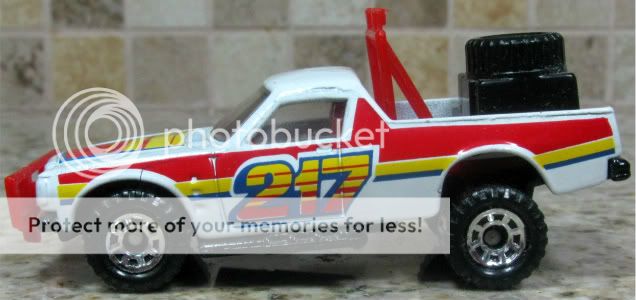
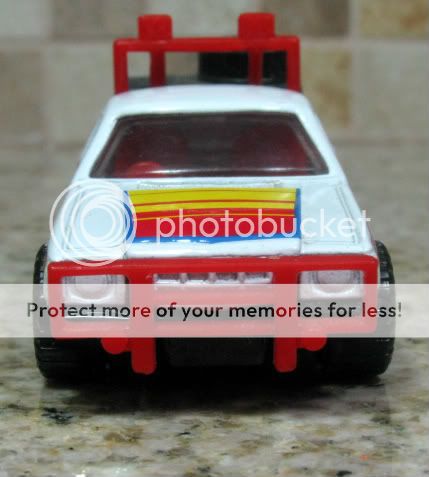
The truck for today is the Matchbox Holden 'Ruff' Trek.


Wikipeida.com
General Motors-Holden's Ltd, becoming Holden Ltd in 1998, with the current name adopted in 2005.

Holden has taken charge of GM's vehicle operations in Australasia, and on their behalf, held partial ownership of GM Daewoo in South Korea between 2002 and 2009. Holden has offered a broad range of locally produced vehicles, supplemented by imported GM models. Holden has offered badge engineered Chevrolet, Nissan, Suzuki, Toyota, and Vauxhall Motors models in sharing arrangements, with GM Korea, Opel and Isuzu-sourced models sold currently. Holden is also responsible for the distribution of the Opel brand in Australasia.
All Australian-built Holden vehicles are manufactured at Elizabeth in South Australia, and engines are produced at the Fishermans Bend plant in Port Melbourne, Victoria. Historically, production or assembly plants were operated in all mainland states of Australia, with GM's New Zealand subsidiary Holden New Zealand operating a plant until 1990. The consolidation of car production at Elizabeth was completed in 1988, but some assembly operations continued at Dandenong until 1996.


After MB was bought out in the early 80s, many of the Lesney castings were modified to be more 'exciting' in appearence. Thus we have a Holden Pick Up customized to be an off road racer. This was a recent purchase from pjedsel. Thanks

Friday, April 13, 2012

Car of the Day : April 14, 2012


The 1949 Buick Roadmaster Riviera by Racing Champions is the car for today.


Wikipedia.com
The Roadmaster was an automobile built by the Buick division of General Motors. Roadmasters produced between 1936 and 1958 were built on Buick's longest non-limousine wheelbase and shared their basic structure with entry-level Cadillac and, after 1940, senior Oldsmobiles. Between 1946 and 1957 the Roadmaster was Buick's top of the line model. Buick again applied the Roadmaster name to its full-size rear-wheel drive models between 1991 and 1996.


Wikipedia.com
The Riviera name first entered the Buick line in 1949 as the designation for the new two-door pillarless hardtop, which was described in advertising as "stunningly smart." The Buick Roadmaster Riviera coupe (along with the Cadillac Coupe de Ville and Oldsmobile 98 Holiday coupe) constituted the first mass production use of this body style, which was to become extremely popular over the next 30 years. Buick would add a 2-door Riviera hardtop to the Super the following year, the Special in 1951 and the Century upon its return, after a 12 year absence, in 1954.


Check out http://en.wikipedia.org/wiki/Buick_Riviera to learn more.


I'm out of adjectives this week. The pics are plenty for this Buick

Thursday, April 12, 2012

Car of the Day : April 13, 2012


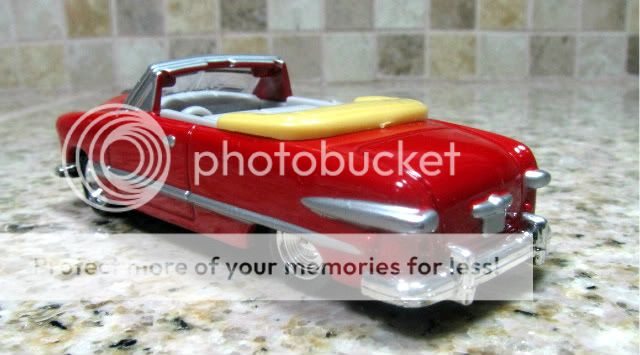
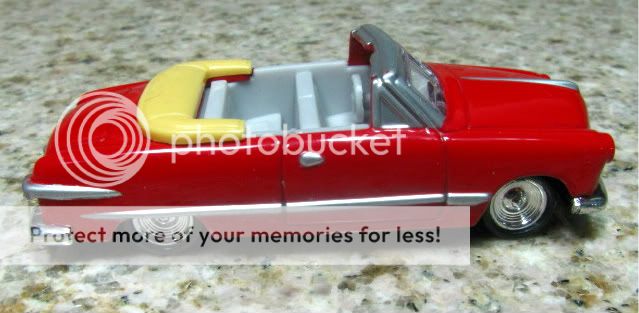
Imperial Toys' 1950 Ford Convertible is the car for today.


Wikipedia.com
After sticking with its well-received previous model through model year 1948, Ford completely redesigned its namesake car for 1949. Save for its drivetrain, this was an all-new car in every way, with a modern ladder frame now supporting a coil spring suspension in front and longitudinal semi-elliptical springs in back. The engine was moved forward to make more room in the passenger compartment and the antiquated torque tube was replaced by a modern drive shaft. Ford's popular 226 CID (3.7 L) L-head straight-6 and 239 CID (3.9 L) Flathead V8 remained, now rated at 90 hp (67 kW) and 100 hp (75 kW), respectively.


In many ways, the '49-'51 Fords ushered in the modern American car. Gone were the large bulging pre-war fenders and in place was sheet metal that flowed with the rest of the body. The basic norm for the frame/suspension set up would be followed for decades by companies in Detroit as the '50 Ford featured a ladder frame, coil springs up front and leaf springs in the back.

Imperial Toys sold this toy under the Buddy L name in the early 2000s. Features include painted silver trim, 'chrome' bumpers and a windshield that is cast as part of the body.

Wednesday, April 11, 2012

Car of the Day : April 12, 2012


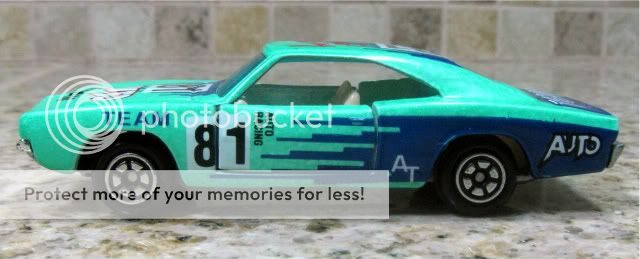
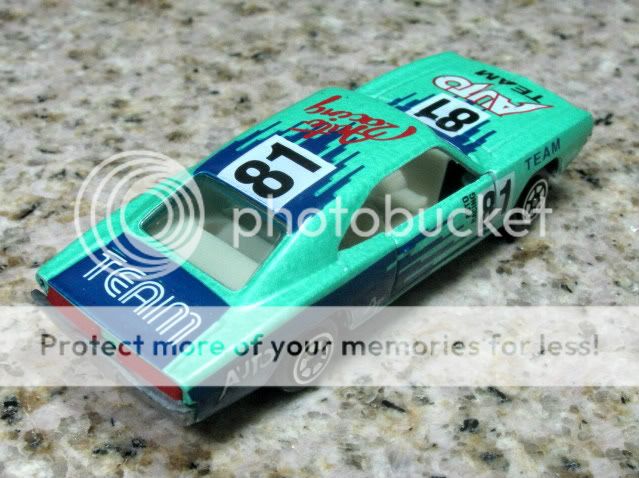
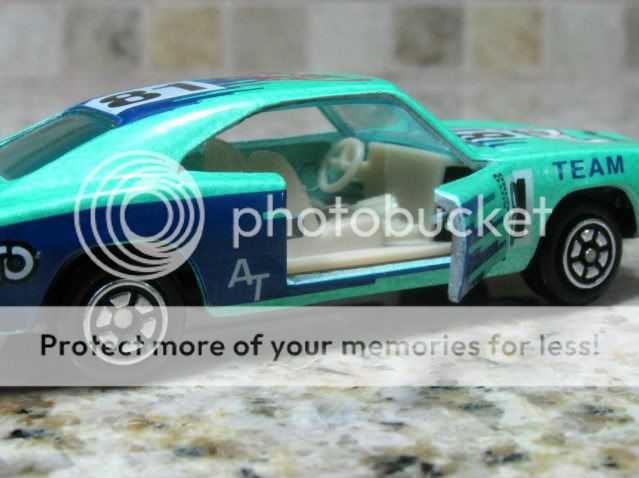
Today's car is the 1969 Dodge Charger by Yatming.


Wikipedia.com
The Dodge Charger is an American automobile manufactured by the Dodge division of Chrysler. There have been several different Dodge vehicles, built on three different platforms and sizes, all bearing the Charger nameplate. The name is generally associated with a performance model in the Dodge range; however, it has also adorned subcompact hatchbacks, full-sized sedans, and personal luxury coupes.


AllPar.com
For 1969, Dodge refined Charger, using a new grille and tail light treatment to bolster the sporty image. New vinyl roof treatments and exterior colors were optional, to appeal to the youthful driver. Engineering innovations ranged from manual tilt seat adjusters and easier rear door lock buttons to improved brake adjusters and headlights on warning buzzer.

A new optional Special Edition decor group for Charger and Charger R/T models was added. It featured leather bucket seats, wood-grain steering wheel, and wood grain inserts on the instrument panel. These cars are identified by SE name plates on the roof pillars. The Special Edition package also included bright trimmed pedals, deep dish wheel covers, and a light group including time delay ignition light and hooa mounted turn signal indicators.

Dodge also had a Charger for the Scat Pack. The Charger 500 was designed for the performance-minded driver; the rear window was slanted more, to be flush with the trailing edge of the rear window pillars; the grille was flush mounted instead of recessed, to improve airflow; and headlights were fixed, not concealed. The 500 was powered by the 426 cubic inch Hemi engine. It was built to meet a NASCAR requirement to allow Chargers to race on the stock car circuit; flush mounting provided a tremendous aerodynamic advantage which was to culminate in the Charger Daytona.

An even wider array of vinyl top choices were optional, adding tan, green, black, and white. The standard engine was the 318 cubic inch V8, but buyers could drop down to the slant six; only 500 did. Two optional 383s were sold, with two and four barrel carburetors. In the Charger R/T, which accounted for 21 percent of 1968 Charger sales, the 440 C.I.D. Magnum, 375 H.P. power plant was standard and the 426 C.I.D., 425 H.P. Hemi was optional.


Yatming offered their Charger casting in numerous paint schemes. Turquoise and dark blue may not look great on the 1/1 but work for this small scale example. Highlights include opening doors, metal body plus diecast silver base. Thanks Pegers for this cool Yat.